Two years in—does that moment hit like a quiet realization or a powerful wake-up call? A pause naturally happens, bringing reflection on distance already covered, every small win, every hard lesson, every spark of strength that pushed things forward—and yes, that progress is real. At this stage, an honest check-in begins, where past struggles stand face-to-face with present stability while new possibilities start forming—can that shift feel both grounding and exciting at once? Progress never follows a straight path, right? It twists through setbacks, breakthroughs, and unexpected turns that reshape perspective—and that’s not weakness, that’s growth in motion. So what does life look like after such a challenge? Not just endurance, no—that phase evolves into rediscovering identity, building deeper inner strength, and stepping forward with renewed purpose and direction.
This write-up goes deep into progress seen across an ongoing journey, tracing shifts in strength, emotions, and mental clarity over time. It shows how connection with others can make a real difference, highlighting kindness toward oneself and steady patience as drivers of consistent growth. For anyone moving through personal challenges, standing beside someone on that path, or simply trying to grasp how it feels, this piece delivers grounded perspective, motivation, and practical guidance drawn from lived experience.
Understanding Life After a Stroke: The Critical First Two Years
Before reaching that two-year point, it matters to recognize how progress unfolds step by step. When circulation inside brain tissue gets blocked or disrupted by clotting or bleeding, daily routines can change in powerful ways. Many notice weaker movement, trouble speaking or forming sentences, memory slips, and intense emotional swings that demand patience, adjustment, and steady perseverance.
Early months center on rebuilding ability. During this phase, brain activity stays highly flexible, showing strong capacity to adapt and reroute functions around injured areas. Guided sessions that involve physical work, task-based practice, and speech-focused exercises play an important role in restoring movement, communication, and everyday skills needed for daily life.
Over time, gains often come more slowly. Around two years in, many people reach what’s often called a plateau. That phase doesn’t signal an end to improvement—it simply means change happens at a steadier pace and asks for ongoing effort. Even though this period can feel discouraging, meaningful progress can still happen, even years down road.
Getting Strong Again After That Time
Rebuilding physical strength often stands out as one of the most noticeable parts of recovery. Based on how severe a condition is, a person might face weakness, stiffness, or limited motion affecting one side. By this stage, many already notice clear progress in daily activities, even if certain difficulties still linger.
1. Mobility and Strength
Strength training and targeted exercises continue to play a crucial role. Even if improvement is gradual, consistent movement helps maintain and enhance overall function. Activities like yoga, swimming, and tai chi can support balance, flexibility, and relaxation.
2. Fine Motor Skills
Everyday tasks like writing, buttoning a shirt, or using utensils can remain difficult. Occupational therapy focuses on improving coordination, dexterity, and adaptive techniques. Specialized tools and utensils can make daily activities more manageable.
3. Fatigue
Lingering tiredness can stick around long after major changes, making simple chores or even light movement feel exhausting. Managing energy often comes down to timing—balancing activity with calm pauses, giving oneself enough space to rest, and slowly building endurance through steady, repeatable routines.
Cognitive and Mental Healing
While restoring physical strength matters greatly, paying attention to mental and emotional changes following a stroke carries equal weight. Such an event can influence memory retention, concentration, reasoning skills, and overall emotional steadiness. These struggles often prove just as demanding—sometimes even surpassing the physical recovery phase in complexity.
Cognitive Challenges
Why do simple things like focus, recalling names, or handling multiple tasks still feel tough even after so much time has passed? That frustration is real, and yes, many continue facing those challenges longer than expected. But does that mean progress has stopped? Not at all. Targeted therapy that strengthens thinking skills can create real change, and practical tools—planners, reminders, apps—can turn overwhelming moments into something far more manageable. Isn’t it encouraging to know that small adjustments can make a big difference? Each strategy builds confidence step by step, making everyday tasks feel less like a struggle and more like something within reach.
Emotional Well-Being
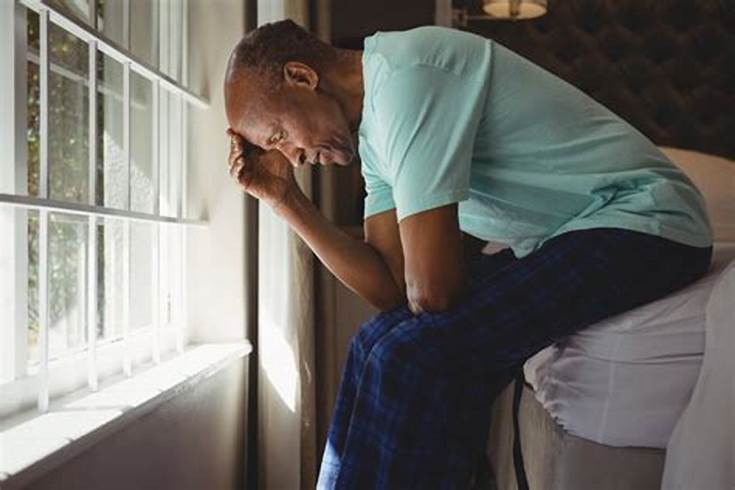
Why does emotional weight feel so intense after everything shifts—grief, anger, anxiety rising all at once? That surge makes sense, and yes, deep sadness can show up along this path. Some begin to reach acceptance over time, while others keep navigating those feelings, and both experiences carry truth. Could opening up to a counselor or connecting with people who genuinely understand create more clarity and calm? Shared stories often build real connection and remind one person that no one walks this path in isolation. And what about kindness inward—does it get pushed aside too often? Choosing self-compassion, recognizing even smallest progress, and honoring each step forward can quietly rebuild confidence. Isn’t it powerful how gentle understanding can make even heavy moments feel more manageable?
Identity and Purpose
What happens when life suddenly rewrites identity—does confusion take over, or does curiosity begin to grow? A moment like that can spark deep questions: who am I now, what truly matters, where does meaning come from? Some find fresh passions or new ways to give back, and yes, that discovery can feel energizing and real. Still, not everyone reaches clarity at same pace, and that’s completely valid. Isn’t it reassuring to know that figuring things out doesn’t follow one fixed path? Each journey unfolds in its own way, shaped by reflection, experience, and quiet persistence. Growth isn’t rushed—it builds over time, and that steady unfolding often leads to stronger confidence and a clearer sense of purpose.
Role of Support Systems
Healing from a stroke isn’t something you go through alone. A strong support system is essential in helping survivors adjust to life’s challenges afterward. Even after all that time, relationships may change—but their importance doesn’t.
1. Family and Friends
Who stands close when everything shifts—and how much strength grows from that presence? In early moments, loved ones often carry more responsibility, and yes, that steady presence makes a real difference. Over time, independence can return, routine by routine, easing that weight and bringing back a sense of control. Doesn’t it feel powerful to reclaim even small parts of normal life? Progress doesn’t need to be dramatic to matter—each small win builds confidence and restores balance. Offering patience, inviting involvement in simple tasks, and truly listening can shape a stronger, more grounded path forward. Isn’t it amazing how consistent encouragement can turn uncertainty into quiet strength?
2. Professional Support
Rehabilitation professionals, including physical, occupational, and speech therapists, remain involved in recovery even after two years. Although sessions may become less frequent, occasional check-ins help maintain progress and address any new challenges.
3. Peer Support
Connecting with others who have faced similar experiences can be incredibly empowering. Groups, whether in-person or online, provide a space to share stories, exchange tips, and offer encouragement. Being part of a community that truly understands can make a world of difference.
Looking Ahead: Life Beyond That Point
As survivors approach that two-year milestone, many begin shifting focus from rebuilding toward adapting. That change doesn’t mean giving up on growth—it reflects learning how to live a meaningful, fulfilling life while continuing to face and manage ongoing challenges.
1. Setting Realistic Goals
What keeps momentum alive when progress feels slow—clarity or chaos? Real change starts with clear, achievable goals, and yes, that choice makes everything feel possible. Ever notice how aiming for one skill, one small win, or one moment of joy can shift an entire outlook? Big dreams can feel heavy, right? Break them down—step by step, piece by piece—and suddenly progress feels real, not distant. Isn’t it powerful to see steady movement instead of waiting for one huge leap? Confidence grows with each small victory, and motivation follows naturally. Why chase overwhelm when simple, focused action builds lasting change?
2. Embracing Adaptations
Adjusting to life afterward can feel like stepping into unfamiliar territory—could new ways of handling everyday tasks bring back a sense of control? I believe they can, because using assistive tools, reshaping living spaces, and building strategies for mental challenges create pathways toward independence. Why resist change when small adaptations can open doors to greater confidence and freedom? I see strength in embracing new methods, in turning obstacles into opportunities for growth. Doesn’t it feel empowering to reclaim control through thoughtful adjustments? Each shift forward builds resilience and a renewed sense of balance, proving that independence can evolve in powerful and meaningful ways.
3. Focusing on Wellness
Physical and mental well-being are essential for a healthy lifestyle. This includes eating a balanced diet, staying active, managing stress effectively, and getting quality sleep. Regular check-ups with healthcare professionals help address any ongoing concerns and promote overall wellness.
4. Celebrating Progress
It’s natural to notice what still feels hard, yet taking time to recognize progress matters just as much. Maybe it’s walking again, reconnecting with people who matter, or finding small moments of happiness in daily life. Every step forward counts, and each achievement—big or small—deserves recognition.
Can stroke survivors still experience improvements after two years?
Yes, people who’ve faced this situation can continue moving forward well beyond that window, even when change feels slower. Human brains stay capable of adapting and forming new pathways across an entire lifetime. While bigger gains often show up early on, continued sessions, consistent effort, and everyday adjustments can still lead to meaningful advances and long-term improvement.
For instance, some may notice better speech, mobility, or mental sharpness even years later. Regular physical exercises, brain-stimulating activities, and engaging in new skills or languages can help encourage adaptation. Patience and persistence are key, as progress may be gradual but still meaningful.
How can they manage chronic pain or spasticity after two years?
Ongoing pain and muscle stiffness can linger longer than expected—does that feel frustrating at times? I believe it can be managed with a thoughtful mix of approaches, because no single path fits every situation. Why rely on just one method when combining gentle movement, guided exercises, mindful relaxation, and consistent routines can bring noticeable change? I see progress building through patience and small adjustments, where listening closely to personal limits makes a real difference. Doesn’t it make sense that steady effort shapes comfort over time? Each step forward, no matter how small, creates a stronger sense of control and renewed confidence.
Physical Therapy: Regular stretching and strengthening exercises can help reduce spasticity and improve range of motion. A physical therapist can design a personalized program to address specific areas of tightness or discomfort.
Medications: Muscle relaxants or anti-spasticity medications, such as baclofen or tizanidine, may be prescribed to manage spasticity. In some cases, Botox injections are used to target specific muscles.
Alternative Therapies:Techniques like acupuncture, massage, or hydro-based treatments can provide relief for some individuals.
Lifestyle Adjustments: Maintaining a healthy diet, staying hydrated, and avoiding triggers like stress or fatigue can help manage pain and spasticity.
Assistive Devices: Using braces, splints, or orthotics can help support affected limbs and reduce discomfort.
Working closely with medical professionals makes it easier to identify options that fit personal needs and adjust plans as progress continues.
How can they rebuild their social lives and overcome loneliness after two years?
Reconnecting with others can be challenging, especially when communication barriers or physical limitations come into play. However, maintaining social connections is crucial for mental well-being and overall progress. Here are some strategies to overcome loneliness and build stronger relationships:
Join Support Groups: Finding connection after tough experiences can feel uncertain—could shared understanding make that path a little easier? I believe it does, because many survivors discover real comfort and camaraderie within groups where stories, advice, and honest moments flow freely. Why carry everything alone when spaces exist where people truly get it? I see powerful bonds forming in both in-person gatherings and online circles, where voices are heard and experiences are validated. Doesn’t it feel reassuring to know connection can grow in places built on understanding? Each shared conversation strengthens a sense of belonging, proving that meaningful connection often begins with simply being heard.
Reconnect with Loved Ones: Felt a quiet pull to reconnect, even for a moment—could a simple call or short visit shift everything? I believe it can, because reaching out to familiar voices brings warmth that words often struggle to explain. Why stay distant when a quick conversation can remind someone of belonging and shared history? I see strength in opening up, in letting loved ones know what kind of presence feels right—maybe time spent side by side, maybe laughter during a shared outing. Doesn’t connection grow deeper when honesty leads? Each small step toward connection builds something meaningful, proving that even a brief moment can carry lasting impact.
Ever wondered what happens when fresh interests step into life—could excitement spark new confidence right away? I believe it can, because stepping into creative pursuits, local groups, or skill-building classes opens doors that once felt out of reach. Why stay in familiar patterns when new circles bring energy, fresh conversations, and unexpected friendships? Volunteering within community spaces builds purpose while shaping stronger self-belief—doesn’t that sound like a powerful shift? I see growth rising with every small step, proving that trying something new isn’t just activity, it’s transformation in motion.
Use Technology: Curious how connection can still grow from a screen—could digital spaces bring real closeness? I believe it can, because platforms like Facebook, Zoom, and Reddit create spaces where conversations flow and relationships continue to build. Why feel distant when a quick video chat or message can spark laughter and shared moments? I see technology opening doors to meaningful interaction, especially when movement feels limited, proving connection isn’t about distance—it’s about intention and presence, even through a screen.
Be Patient with Yourself: Rebuilding social connections takes patience—could small steps carry more power than big leaps? I believe so, because starting gently creates space for trust and comfort to grow without pressure. Why chase numbers when meaningful bonds bring deeper fulfillment? I see real value in choosing connections that bring encouragement and genuine appreciation, where presence feels uplifting and authentic. Doesn’t it feel right to invest energy where it truly matters? Each thoughtful interaction shapes a stronger sense of belonging, proving that steady progress builds something lasting and real.
Feeling lonely is common after going through this, but it doesn’t have to last. Taking steps to connect with others can help build meaningful relationships and a strong social circle.
A Message of Hope
This journey lasts a lifetime, with that two-year mark standing as a meaningful moment for reflection and inner strength. Along way, challenges still surface, yet each step opens space for personal growth, deeper connections, and renewed resolve. Everyone moves at a different pace, guided by lived moments and daily choices that shape direction in unique ways. What matters most lies in finding approaches that feel right and stepping into new paths with openness and courage.
For anyone facing this journey, strength runs deeper than it may appear. Every step forward reveals courage and unwavering resolve that deserves recognition. To caregivers, relatives, and close companions who remain present through every challenge—your compassion and steady encouragement create comfort, hope, and light in moments that feel uncertain.
Life may take on a different shape after such a turning point, yet it can still carry deep worth. Through steady effort, gentle patience, and care from those who stay close, one can craft a path filled with meaning—one that nurtures purpose, peace, and a quiet kind of happiness that grows stronger over time.