Think smoking isn’t that dangerous? Think again. Every cigarette fills your body with harmful chemicals that damage your lungs, heart, brain, and blood vessels. What feels like a quick break today can lead to life-changing health problems tomorrow.
The heartbreaking part? Many of these illnesses are preventable. Quitting smoking—or even cutting back—can lower your risk and give your body a chance to heal. Pair that with healthy eating, regular exercise, and better ways to handle stress, and you’re taking real steps toward a longer, healthier life.
Your future is worth protecting. The best time to quit is today.
How Smoking Harms Circulation and Brain Function
Think it only touches lungs? Think again. It travels everywhere inside you, reaching far beyond a single breath. Those inhaled chemicals slip into vessels, scratch delicate linings, thicken flow, and spark dangerous clots—did you know that? Yes, they can quietly raise numbers that should stay steady, forcing everything that keeps you alive and moving to work harder than it ever should. Over time, that constant strain doesn’t just fade away—does it stay harmless? No. It builds, it deepens, and it can turn into sudden, life-altering emergencies. When you understand how far it reaches, you begin to see why stepping away from it isn’t weakness—it’s power.
1. Damage to Blood Vessels
Did you know that every inhale pulls in thousands of toxic chemicals that can quietly scar delicate vessel walls? It’s true. Once those inner linings are injured, fatty buildup begins to collect, creating thick layers known as atherosclerosis. Over time, those layers grow, tightening pathways that oxygen and nutrients depend on to reach vital areas. What happens when one of those narrowed channels can’t deliver what your mind needs? A complete blockage can occur, cutting off essential supply in an instant. That’s when sudden, devastating events strike—moments that can change memory, movement, and independence without warning. This isn’t distant or dramatic; it’s a very real chain reaction that unfolds silently for years before revealing itself all at once.
2. Increased Blood Pressure
Ever wonder what nicotine really does once it enters you? It doesn’t sit quietly. It speeds up your pulse, tightens vessels, and pushes your numbers higher than they should be. Feel that rush? It may seem small in the moment, but inside, everything is working overtime. Arteries strain, their delicate lining slowly wearing down under constant tension. Does that pressure just disappear? No—it lingers, weakens resilience, and leaves you more vulnerable to sudden, life-changing emergencies. Knowing this isn’t meant to scare you—it’s meant to empower you, because once you see what’s happening, you can choose a stronger path forward.
3. Formation of Blood Clots
Smoking makes your blood thicker and more likely to clot. This is because it increases the levels of fibrinogen, a protein that helps blood clot, and reduces the production of nitric oxide, which helps keep blood vessels relaxed and open. Blood clots can travel to the brain and block an artery, causing a stroke.
4. Reduced Oxygen Supply
Have you ever wondered what that invisible gas in each inhale is really doing to you? Carbon monoxide binds to red cells far faster than oxygen ever could, quietly crowding out what your organs desperately need. When oxygen delivery drops, everything begins to struggle—energy fades, focus slips, and vital functions lose their rhythm. Over time, repeated exposure weakens cardiac performance, stiffens arteries, and places constant strain on how nutrients and oxygen travel through you. Could that explain memory lapses, brain fog, or sudden cardiovascular crises? Yes, it absolutely could. This silent intruder doesn’t announce itself, yet it chips away at endurance and clarity day after day, making it one of most dangerous hidden threats tied to that habit.
5. Inflammation and Oxidative Stress
Have you ever thought about what repeated exposure really sparks inside you? It ignites widespread inflammation and oxidative stress that quietly wear you down from within. When that irritation lingers, vessel walls weaken and fatty buildup settles into arteries, tightening pathways that should stay open and flexible. What happens when destructive free radicals overpower protective antioxidants? Damage accelerates, clarity can fade, and cardiac performance may decline. With ongoing exposure, strain keeps piling on, resilience drops, and organs that rely on steady oxygen delivery struggle to keep pace. This isn’t just a passing effect—it’s a slow, relentless process that chips away at strength and sharpness over time.
6. Impact on Cholesterol Levels
Did you realize that this habit quietly shifts your cholesterol in a dangerous direction? It lowers protective HDL while raising harmful LDL, creating an imbalance that speeds fatty buildup along artery walls. As those pathways tighten, oxygen and nutrients struggle to move efficiently. What does that mean for you? Your most vital organs must work harder just to keep up, and over time that constant strain can lead to serious cardiovascular crises, including hypertension and sudden cardiac events. Endurance fades, energy dips, and performance declines little by little. This isn’t random—it’s a predictable chain reaction, and knowing that gives you power to change course before lasting damage takes hold.
Numbers Speak Loud: How It Affects Overall Well-Being
Connection between this habit and its damaging outcomes isn’t just an idea on paper—it’s proven through a wide range of scientific research. Take a look at these eye-opening numbers that clearly show how deep its impact runs:
They are twice as likely to experience a serious cardiovascular event compared to those who don’t use tobacco.
Think having a few every day won’t really matter? Evidence says otherwise. Regular use dramatically increases likelihood of severe complications, and going beyond a pack daily can raise odds of life-threatening crises nearly four times compared with someone who never picked up that habit. Why does that happen? Because repeated exposure keeps layering damage year after year, tightening arteries, weakening vital organs, and straining cognitive function and cardiac performance without pause. This pattern isn’t random—it’s predictable and progressive. With every inhale, you stack another weight onto your future, making sudden, devastating outcomes far more likely over time.
Even minimal or occasional exposure can take a toll. There’s no amount that’s completely harmless, and any contact with these substances can affect your organs and overall function over time.
Secondhand smoke is also dangerous. Non-smokers exposed to secondhand smoke have a 20-30% higher risk of stroke.
Ready for some genuinely uplifting news? Choosing to quit can spark powerful improvements sooner than you might think. Within just two to five years of stopping, odds of serious problems affecting oxygen flow and cognitive performance drop dramatically—often nearing levels seen in people who never started. Isn’t that incredible? Your mind can regain clarity, your stamina can rebound, and vital organs can function with renewed strength. Change doesn’t just slow damage—it opens a real path toward restoration, proving that it’s never too late to reclaim control and move toward a stronger, more vibrant future.
Other Risk Factors to Consider
Although this habit places a heavy toll on overall well-being, additional factors can further raise chances of serious complications. Important contributors include:
High Blood Pressure: A primary factor driving this serious condition, often placing added strain on vital systems and disrupting normal circulation patterns. When pressure remains elevated for long periods, it can gradually damage arteries, affect organ performance, and lead to severe complications if left unchecked. Managing lifestyle habits, maintaining balanced nutrition, and staying active can go a long way toward keeping it under control.
Think high sugar only affects energy levels? Look deeper. When glucose stays elevated, it quietly scratches and weakens vessel walls, making them less flexible and less reliable. Over time, that damage slows the movement of nutrients you depend on every single day. Does that strain stay isolated? No—it spreads, interfering with steady flow and touching tissues and organs far beyond one area. Understanding this gives you power, because once you recognize what’s happening inside, you can take steps that protect your future and strengthen your everyday life.
Think high cholesterol is harmless if you feel fine? Look closer. When levels climb, fatty deposits begin lining artery walls, slowly thickening and hardening pathways meant to stay open and flexible. Does that buildup just sit there quietly? No—it narrows space, slows oxygen and nutrient delivery, and forces everything inside you to work harder just to keep up. Over time, that extra strain can weaken performance and set the stage for serious cardiovascular trouble. Knowing this isn’t meant to alarm you—it’s meant to wake you up, because once you see what’s happening, you can choose habits that protect your future.
Think extra weight only changes appearance? Look deeper. It quietly adds strain inside you, making vessels and that powerful pump in your chest work harder just to keep flow steady. Feel tired more often? That constant overexertion can push numbers higher and slowly weaken delicate vessel walls. Does that strain simply fade away? No—it builds, drains energy, and can set the stage for serious cardiovascular emergencies. Understanding this isn’t about shame—it’s about strength. Once you recognize what’s happening, you can choose steps that restore stamina, protect your future, and bring back steady confidence in every movement.
Long periods spent sitting or staying mostly inactive can quietly wear down physical performance over time. Muscles may weaken, joints can stiffen, and heart and lungs might struggle to operate efficiently. Staying inactive for extended stretches often contributes to unwanted weight gain and added strain on cardiovascular function, while also affecting metabolism. Incorporating regular movement—like short walks, gentle stretching, or simple exercise routines—throughout daily routines can preserve strength, flexibility, and stamina, making everyday activities easier and promoting long-term well-being.
Think heavy drinking only affects your mood? Look closer. Large amounts of alcohol can quietly drive your numbers up and tighten vessels, forcing everything inside you to push harder just to keep flow moving. Does that tension disappear the next morning? No—it can linger, irritate artery walls, slow delivery of oxygen and nutrients, and open the door to life-threatening conditions. Over time, steady overuse drains efficiency from organs that depend on smooth movement within you, leaving you fatigued and more vulnerable. Realizing this isn’t about guilt—it’s about clarity, so you can choose moderation and protect your future with confidence.
Family History: If certain medical conditions run in your family, your chances of experiencing similar problems can be higher. Genes passed down from parents may make it more likely for you to face these challenges, even if you maintain a generally active and balanced lifestyle.
Consistently practicing this habit, especially when combined with additional contributing factors, can significantly raise chances of encountering a severe, potentially life-threatening episode. Being mindful of daily routines, nutrition, sleep patterns, and overall fitness plays a crucial role in preserving long-term strength, resilience, and overall vitality.
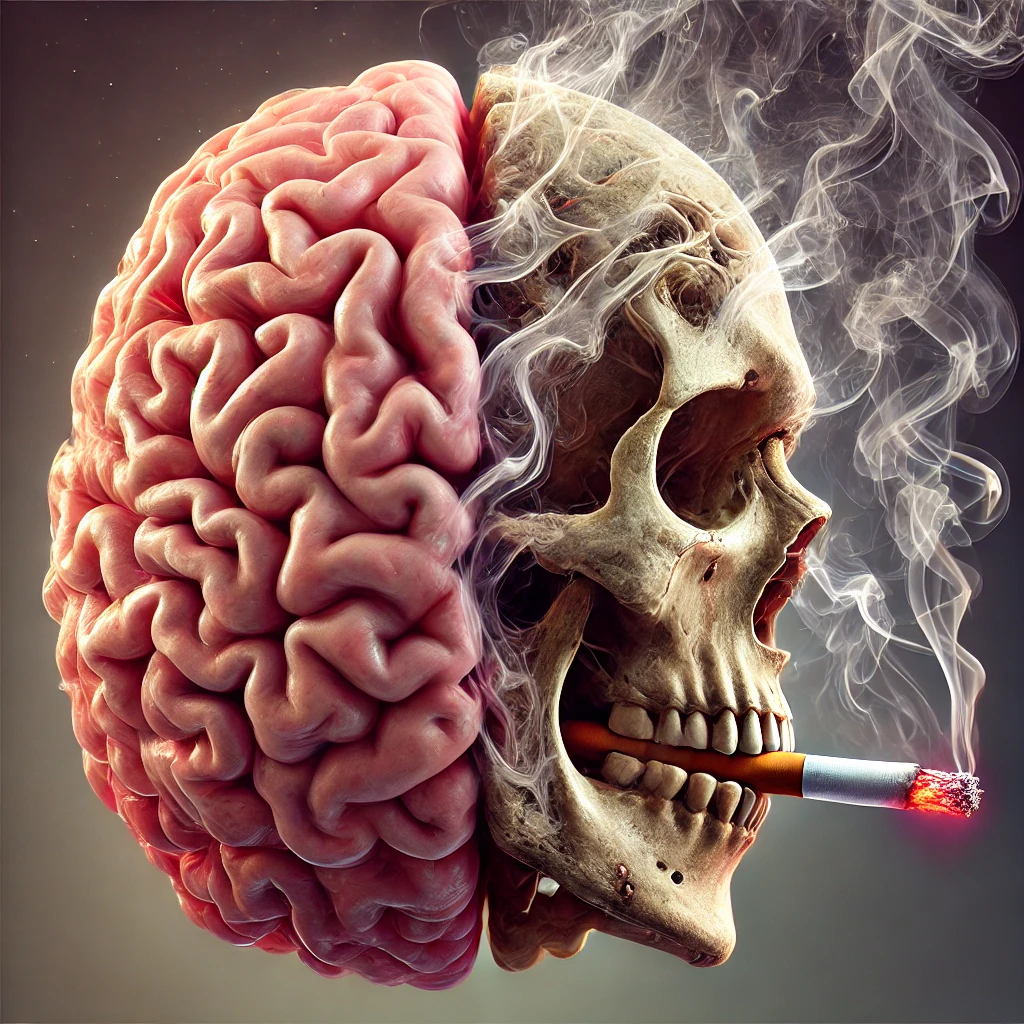
The Benefits of Quitting for Good
If you use tobacco, quitting is one of the best decisions for your health—not just to lower certain risks but to enhance overall well-being. Here’s what happens when you decide to stop:
Did you know change can begin in just 20 minutes? Yes—within that short window, your pulse starts to slow and your numbers begin to drop, easing tension that once gripped you tightly. Feel that shift? It’s real. A calmer rhythm takes over, movement inside you becomes steadier, and energy starts to settle instead of racing. That early wave of calm isn’t imaginary—it’s your sign that healing has already begun and that every step you take forward truly matters.
Can real change happen in just half a day? Absolutely. Within 12 hours, carbon monoxide levels fall back to normal, allowing oxygen to move freely again and cells to do what they were designed to do. Feel that clearer focus creeping in? That’s no coincidence. Your lungs begin clearing out what doesn’t belong, energy slowly rises, and alertness sharpens. That lingering fatigue or dull headache? It often fades as oxygen flow steadies. In less than a day, you can already feel proof that your choice is working.
Within two weeks up to three months, circulation begins to flow more efficiently, delivering oxygen and nutrients more effectively throughout your system. Lung capacity expands, allowing each breath to carry more air and energy, making everyday activities feel easier and less tiring. Over this period, stamina gradually rises, and tasks that once felt exhausting start to require less effort, creating a noticeable boost in overall vitality.
Can one year really transform your future? Yes, it can. Within 12 months, chances of serious cardiovascular conditions drop by nearly half as arteries begin repairing and working more efficiently. Feel the difference? Flow becomes smoother, vessels regain strength, and endurance starts climbing higher than it has in years. Energy doesn’t just flicker—it builds. That steady improvement is your proof that commitment pays off, and that every day you stay consistent moves you closer to lasting vitality.
Within five years: The risk drops significantly, becoming much closer to that of someone who never used it.
Quitting smoking isn’t easy, but it’s worth it. There are many resources available to help you quit, including nicotine replacement therapies, prescription medications, counseling, and support groups. Talk to your doctor about the best approach for you.
Tips for Reducing Chances of Problems
Beyond quitting, several proactive steps can be taken to improve overall well-being and reduce chances of a serious episode:
Manage Your Blood Pressure: Keep an eye on your numbers consistently and take action to maintain them within a safe range. Simple habits like reducing salt, staying active, and practicing relaxation techniques can help prevent strain on your heart and arteries. Regular check-ins with a medical professional can also guide adjustments to keep everything running smoothly.
Focus on Nutrient-Rich Eating: Load meals with vibrant fruits and fresh vegetables, whole grains, lean proteins such as poultry, fish, or beans, and wholesome fats like olive oil, nuts, or avocado. Limit intake of salt, added sugars, and heavily processed foods to maintain steady energy and overall well-being.
Exercise Regularly: Aim for at least 150 minutes of moderate-intensity exercise per week.
Keep Your Weight in Check: Carrying extra pounds puts added strain on your organs and overall stamina. Shedding even a modest amount can boost energy levels, improve mobility, and reduce strain on your heart and lungs, making daily activities easier and more enjoyable.
Limit Alcohol: If you drink, do so in moderation—no more than one drink per day for women and two for men.
Living with diabetes? You’re not powerless—you’re in control. When you partner closely with your doctor and stay consistent with your plan, you can keep sugar levels steady and protect your future. Wonder if small steps really matter? They do. Monitoring regularly, adjusting habits, and staying informed give you confidence and stability. Every mindful choice you make strengthens your path forward and proves that long-term balance is absolutely within reach.
Manage Stress: Ongoing tension can overload internal systems, draining energy and causing wear over time. Introducing calming routines like meditation, gentle yoga, deep-breathing exercises, or spending quality moments with friends and family can promote equilibrium, enhance resilience, and sustain overall vitality.
Final Thoughts
Have you ever stopped to think about what each inhale is really doing inside you? It scars artery walls, raises force within vessels, encourages dangerous clots, and sparks widespread inflammation that quietly builds over time. Left unchecked, those effects can evolve into life-altering complications. But here’s something empowering—change can begin today. When you walk away from that habit, recovery often starts sooner than you expect. Damage can gradually reverse, strength can return, and vital functions can regain their natural rhythm. Why continue a cycle that steals from your future when you have power to reclaim it?
If you light up regularly, have you considered how different life could feel without it? Choosing to quit can unlock years filled with stronger energy, clearer thinking, and renewed momentum. Is it challenging? Yes—but with smart strategies, community connections, and practical tools, freedom becomes far more attainable than you might think. And if you never started, why not protect that advantage by avoiding smoke-filled spaces and gently encouraging people you care about to pause and reflect? So many tobacco-related complications are preventable. With intentional, daily choices, you can safeguard mental clarity, strengthen cardiac performance, and build lasting stamina that carries you confidently into every new chapter.
Every action taken today builds foundation for tomorrow. Choosing habits that boost energy, endurance, and overall vitality can create a life full of strength and stamina. By embracing positive routines now, you open doors to greater resilience, sharper focus, and a vibrant, confident journey ahead. Each small step compounds over time, turning intentions into lasting wellness and an empowered way of living.