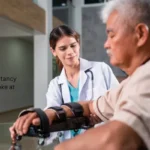
After such a moment, does everything suddenly feel wrapped in fog? Yes—and clarity feels distant at first. One minute everything flows, and next comes a completely different reality—blurred vision, unsteady hands, mounting expenses pressing in from all sides. Would anyone feel shaken by that shift? Absolutely, and pressure from rising costs only deepens that weight. Does that mean progress stops here? Not at all. Strength begins to rise in quiet ways, step by step. Are guiding voices and steady hands still within reach? Always—ready to lift, steady, and lead forward with real confidence.
Expenses
| Category | Cost |
| In-patient rehabilitation facility | $5,000-$10,000 per week |
| Skilled nursing facility | $3,000-$5,000 per month |
| Home health care | $20-$50 per hour |
| Outpatient therapy | $100-$200 per session |
| Medications | Varies |
| Medical equipment | Varies |
| Lost wages | Varies |

Consider this a roadmap for discovering resources and options that make navigating challenges more manageable.
Let’s navigate this together, step-by-step:
Step 1: Mapping Your Landscape – Government Assistance Programs
| Program | Eligibility |
| Social Security Disability Insurance (SSDI) | Had a job long enough and contributed to Social Security through regular payroll deductions. |
| Supplemental Security Income (SSI) | Tight budget and few means to get by. |
| Medicare | 65 years old or meet certain long-term medical conditions. |
| Medicaid | Limited income and resources. |
| State Vocational Rehabilitation Services | Living with a condition that makes it tough to earn a living. |
| Temporary Assistance for Needy Families (TANF) | Have children and meet income and resource limits. |
| Food Stamps | Meet income and resource limits. |
| Low-Income Home Energy Assistance Program (LIHEAP) | Have limited income and resources. |
Social Security Disability Insurance (SSDI): If an episode has kept you from working for a year or more, SSDI may be available. Monthly payments can help cover essential living expenses, such as utilities and groceries.
Supplemental Security Income (SSI)—what does it really offer? Monthly aid when money feels tight and options feel limited. Wondering if qualification is possible? Yes, answers can be found. Officials review income, savings, and property to understand where things stand. Sounds strict? Maybe—but clear answers build confidence, and knowing eligibility brings a sense of control back into everyday reality.
Medicare and Medicaid—what relief can be claimed? Government-backed programs can ease financial strain tied to medical bills. Medicare often covers hospital stays along with certain follow-up procedures. Medicaid steps in for long-term living arrangements or extended treatment when eligibility fits. Feeling unsure about what applies? Clear answers do exist, and real steadiness begins once available options come into focus.
Does sorting through all of this start to feel like a maze with no clear exit? Yes—and that feeling is completely normal. Is asking questions a sign of confusion or strength? Strength, every time. Reaching out to Social Security Administration or a local Area Agency on Aging can bring real direction when everything feels uncertain. Wondering if guidance is actually available? Absolutely—clear answers, steady direction, and a path forward begin with one simple step: asking.
Step 2: Unearthing Hidden Gems – Stroke-Specific Programs
Outside broad government programs, what else speaks directly to current needs? Real resources exist with a focused approach for survivors. Curious if targeted options feel more relevant? Yes—they do, offering practical solutions shaped around real challenges. Does that focused approach bring more clarity and confidence? Absolutely—it narrows choices, sharpens direction, and makes next steps feel far more manageable.
Survivors Connect Initiative—what makes it stand out? A network where people who faced similar moments come face to face with understanding and real connection. Looking for guidance and encouragement? Both exist here, and both feel genuine. Wondering if practical relief options are part of it? Yes, access to real solutions comes built in. Does that sense of isolation have to stay? Not at all—this space opens doors to shared strength, steady direction, and quiet confidence that forward movement is always possible.
Relief Fund Choice: This program offers grants to those affected, helping offset unexpected medical expenses and additional costs that often arise during recovery.
Family Stroke Network: This organization provides financial assistance grants, educational resources, and emotional support to families impacted by it.
Just remember—does every option follow same path? No, each one comes with its own rules around eligibility and getting started. Wonder how to learn more without confusion? Official sites offer clear details, and a direct call can bring quick answers. Can that extra step make a difference? Absolutely—it turns uncertainty into clarity and sets a stronger path forward.

Step 3: Turning to Your Community – Local Assistance and Charities
Never doubt what a community can do. Curious who shows up when moments get heavy? More people than expected—local groups and organizations step in with rides, groceries, even bill coverage. Sounds surprising? Yes, yet real generosity shows up when challenges hit. Can that kind of kindness be trusted? Absolutely—and leaning into it can bring relief, steadiness, and renewed confidence when it’s needed most.
Community action squads: Are teams like this really ready when things get tough? Yes—many stay on standby, prepared to step in when it matters most. Wondering what kind of relief shows up first? Meals, bill coverage, even a safe place to stay can come through. Does that kind of backup make a difference? Absolutely—it brings stability, eases pressure, and helps everything feel a little more manageable.
Faith groups: Do spiritual communities show up when times get tough? Yes, often in meaningful ways. Can churches and similar groups offer guidance and practical relief during a hard stretch? Absolutely—many step in with open hearts and a generous hand. Wonder if that kind of presence makes a difference? It does—bringing comfort, reassurance, and a steady sense that no one has to face challenges alone.
Local charities—have nearby options been explored yet? Yes, strong possibilities often sit closer than expected. Do nearby groups truly focus on survivors? Absolutely. Wondering what kind of relief comes through? Grants exist, rides get arranged, and even home repairs can be covered. Does this feel like searching without direction? Not at all—clear, practical options are already within reach, waiting to be discovered.
Does reaching out to local groups feel overwhelming at first? Yes—but that feeling doesn’t last long. Are people on other side ready to step in? Absolutely, many are already prepared to respond with real solutions. Wondering where a simple starting point might be? Connecting with United Way or doing a quick online search can open doors to nearby groups offering exactly what’s needed. Does one small step really matter? It does—and that step can shift everything forward.
Step 4: Tapping into Employment Resources – Getting Back to Work
Step 5: Managing Your Debt – Practical Tips for Steady Ground
Money setbacks can feel overwhelming—feeling swamped right now? Yes, that weight can hit hard. Does stability feel out of reach? Not at all. Can forward movement begin even in this moment? Absolutely. Clear steps exist, and each one builds momentum, bringing back a sense of control and confidence sooner than it might seem.
Contact creditors directly: Explain what’s going on—does speaking up feel uncomfortable at first? Yes, but it opens doors. Can payment pauses or flexible terms actually be requested? Absolutely, and many creditors are willing to listen. Wonder if that conversation can change anything? It can—honest communication often leads to breathing room and a clearer path forward.
Revamp your budget: Prioritize essentials and identify areas to reduce spending.
Managing debt can feel like struggling in quicksand as bills pile up, but solutions are available. Even small actions, like adjusting a budget or speaking with a credit professional, can make a meaningful difference.
Does recovery touch more than just finances? Yes—it reaches across many parts of everyday experience. Is seeking guidance a sign of weakness? Not at all—it shows resilience and quiet strength. Can available resources and community connections really shift direction? Absolutely, each step builds steadiness and clarity. What happens when focus stays on next moves instead of past setbacks? Progress begins to stack, confidence grows, and a stronger, more secure path forward starts to take shape.

What can I do for income after a stroke?
Income worries show up often—feeling stuck right now? Yes, that pressure can feel real. Does that mean options ran out? No, not even close. Can new paths still open up? Absolutely. Real avenues exist, ready to be explored with confidence. Do choices still remain within reach? Yes—and more control is still in hand than it may seem at first.
Temporary Leave Pay: Out for a while—does income have to stop completely? Not always. Could an employer offer a setup that covers part of a paycheck during this stretch? Yes, many workplaces provide short-term or long-term disability plans. Wonder if that option applies here? It’s worth checking—review benefits or reach out to HR, because partial income can keep things steady while getting back on track.
Social Security Disability Insurance (SSDI)—has earning power paused for months? Yes, that gap can bring real pressure. Does relief exist for a longer stretch without steady income? Absolutely. SSDI can provide monthly payments that ease financial strain and bring stability. Wonder who qualifies? If a condition prevents consistent work over time, eligibility may be within reach. Is this a private benefit or something more reliable? It’s federally funded, designed for individuals facing long-term limits that delay a return to a usual routine.
Supplemental Security Income (SSI): SSI is a federal benefit designed for individuals with limited income and personal assets. It offers monthly payments to make sure essentials like groceries and housing are within reach.
Job readiness services—wonder how work fits right now? Yes, that question matters. Can a new path still take shape? Absolutely. Programs guide skill-building, planning, and job placement aligned with current abilities. Unsure about fit? It works—focus stays on easing a return to earning by matching roles with strengths and comfort level. Does that kind of structure make a difference? It does—confidence grows, direction becomes clear, and each step forward feels more manageable.
Look into Flexible Roles or Shorter Hours: Does a full schedule feel like too much right now? Yes—and that’s completely valid. Could work still fit in a way that feels manageable? Absolutely. Remote roles or reduced hours can offer a gentler pace while income keeps flowing. Wonder if companies really allow that flexibility? Many do, with options designed to match current comfort and energy levels. Can that kind of setup make a difference? It can—bringing balance, easing pressure, and helping steady progress forward.
Take a look at company rules—have available options been checked yet? Wonder if adjustments or lighter duties exist? Yes, many workplaces build in flexible paths after a major setback. Does asking really make a difference? Absolutely—one conversation can uncover modified roles, adjusted hours, or gradual return plans. Could that open unexpected doors? It can, bringing clarity, easing pressure, and making a return feel far more manageable.
Talk to a Trusted Money Expert: Does sitting down with someone who understands money matters feel like a big step? Yes—but it can change everything. Can a clear plan really come from one conversation? Absolutely. A knowledgeable guide can walk through organizing what’s owed, identifying what matters most, and shaping smarter choices moving forward. Will that clarity ease pressure? It will—bringing focus, direction, and a stronger sense of control with each step ahead.
| Option | Description |
| Disability Benefits | – Social Security Disability Insurance (SSDI) – Supplemental Security Income (SSI) |
| Vocational Rehabilitation: | – Supported employment programs – Job training and placement assistance |
| Remote Work | – Online freelancing and consulting – Customer service and virtual assistant roles |
| Self-Employment | – Online businesses (e.g., Etsy, blogging) – Home-based businesses (e.g., crafts, childcare) |
| Part-Time Work | – Flexible hours and reduced workload |
| Government Assistance | – Temporary Assistance for Needy Families (TANF) – Food stamps and other programs |
| Personal Injury Lawsuit | – Compensation for medical expenses and lost wages |
What benefits are there for the victims?
After such a turning moment, does figuring out next steps feel overwhelming? Yes, that reaction makes complete sense. Feeling unsure where to begin? Of course—and that marks a natural starting point. Do real options exist across U.S.? Absolutely, many resources remain available. Can those options truly guide with clarity, direction, and confidence? Yes, each path can turn uncertainty into steady forward movement, one step at a time.
Rehabilitation Services: A variety of programs focus on individual needs, including physical therapy to restore movement, occupational therapy to improve daily living skills, and speech therapy to address communication challenges.
Coverage Through U.S. Insurance Plans: Many insurance policies cover costs associated with recovery, such as hospital stays, specialist sessions, and follow-up appointments. Reviewing your policy carefully ensures maximum benefit.
Social Security benefits—could monthly aid actually fit right now? Yes, it might. Does SSDI provide steady payments during a long stretch away from regular duties after a major medical event? Absolutely. Wonder if qualification sits within reach? That’s a smart question—and asking it brings clarity fast. Can those answers shift confidence and direction? Yes, they can, turning uncertainty into a clearer, more stable path forward.
Medicare and Medicaid: Individuals 65 and older can rely on Medicare to cover recovery-related expenses. Medicaid assists low-income individuals, often covering services beyond Medicare’s scope.
Assistive devices and home modifications—wonder what makes daily movement easier? Programs plus grants can cover wheelchairs, communication aids, and upgrades that boost accessibility at home. Asking if improvement feels possible? Yes, it is—and options exist to match needs right now.
Talking Circles and Guidance Services: Does emotional stability matter after a major turning point? Yes, more than it might seem at first. Can connection with others ease that inner strain? Absolutely. In-person and virtual groups create space to share experiences, speak openly, and feel understood. Wonder if encouragement really grows in those spaces? It does—hearing familiar stories builds reassurance, and each shared moment adds a sense of strength and steadiness moving forward.
Tax breaks and credits—wonder which expenses actually qualify? Yes, that question matters. Can costs like doctor visits or home upgrades such as ramps or wider doorways count? Absolutely, many of those expenses may qualify for deductions or credits. Unsure what fits a specific situation? A tax professional can bring clear answers and confident next steps. Does that clarity make a difference? It does—turning confusion into direction and helping keep more money where it belongs.
Want everything laid out in one clear, quick-reference guide? Yes—that can make things much easier. Would a simple format highlight key benefits, eligibility, and next steps at a glance? Absolutely. Ready to move forward with that? Just say so, and a clean, easy-to-follow guide will be put together.
| Benefit | Description |
| Improved physical function | This includes regaining strength, coordination, and balance, which can help victims perform daily activities more independently. |
| Reduced disability | Rehabilitation can lessen long-term disability, enabling individuals to regain independence and lead more fulfilling lives. |
| Enhanced cognitive function | Some victims experience cognitive impairments such as memory loss or difficulty speaking. Rehabilitation can help improve these cognitive abilities. |
| Reduced emotional distress | Experiencing such an event can be deeply traumatic, and rehabilitation can play a key role in managing emotional effects while boosting overall wellness. |
| Lower healthcare costs | Skilled rehabilitation can reduce risk of setbacks and lessen chances of needing ongoing care, ultimately easing long-term expenses. Can compensation be claimed? |