This online assessment is intended to help you organize relevant information about your pregnancy, possible exposure, vaccination history, and laboratory results. It is an educational resource rather than a diagnostic test. It cannot determine whether you have an active infection or predict with certainty whether your baby will develop complications.
What Is Rubella?
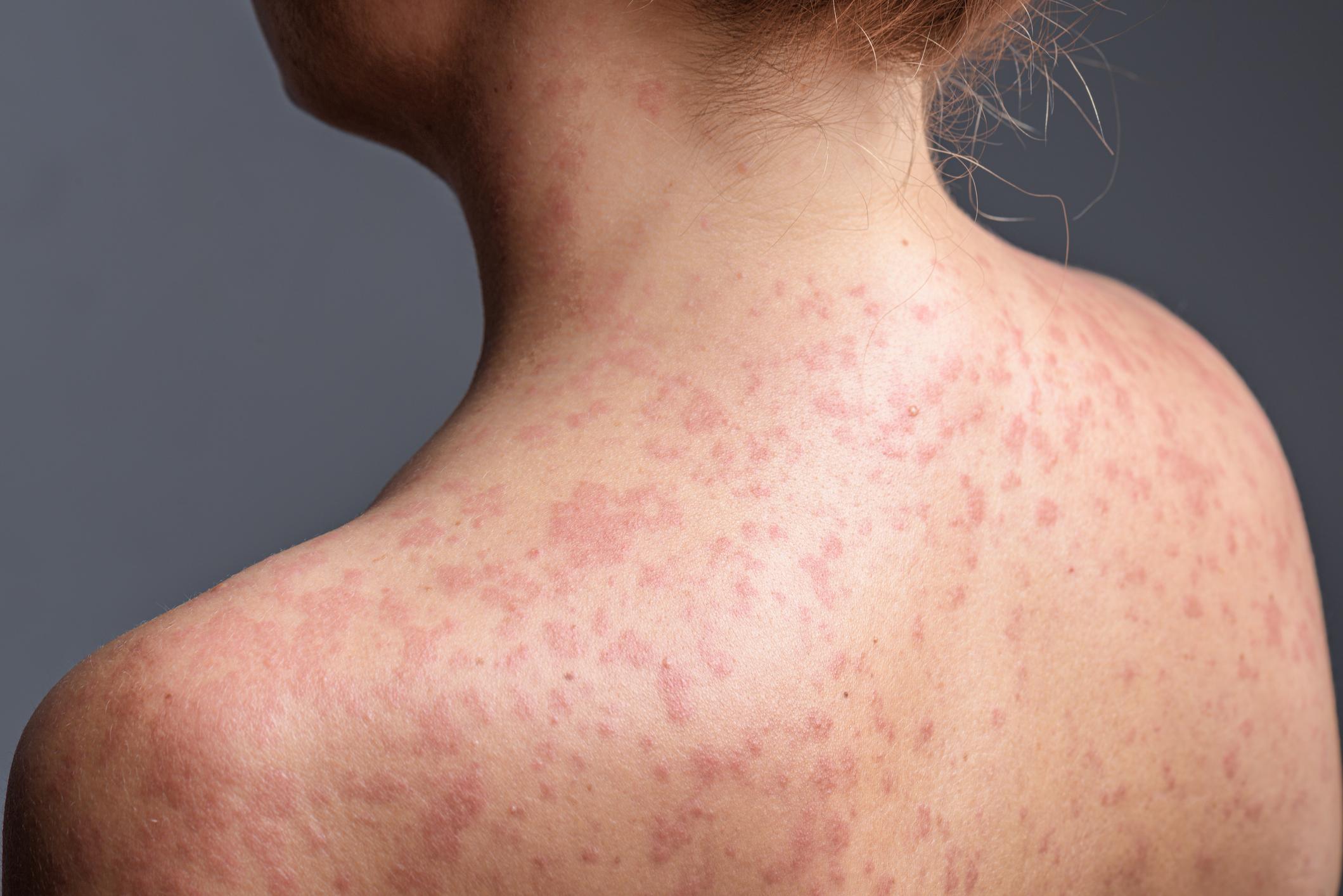
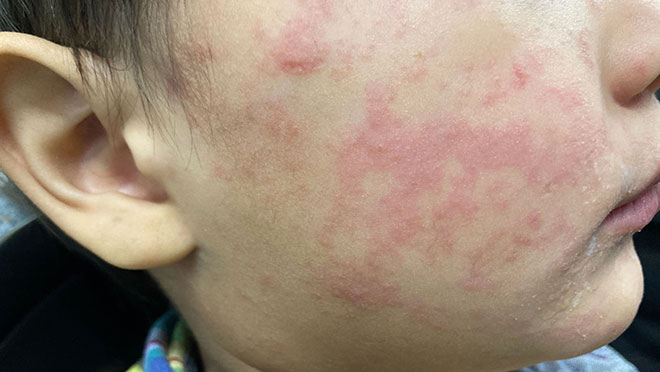
Rubella is a contagious viral infection that usually causes a mild illness in children and adults. Some people experience a pink or red rash, a low-grade fever, swollen lymph nodes, a sore throat, or aching joints. However, others may have very few symptoms or none at all.
Although the illness is often mild in the person who contracts it, infection during pregnancy can have much more serious consequences for the developing baby. The virus can cross the placenta and interfere with normal fetal development, particularly during the earliest weeks of pregnancy.
Rubella is different from measles, even though the two illnesses may cause similar symptoms. The measles, mumps, and rubella (MMR) vaccine protects against rubella and is the principal preventive measure used in the United States.
How This Pregnancy Risk Assessment Works
This tool is designed to help you consider several pieces of information that may be important when discussing rubella with your prenatal care provider. These include your current stage of pregnancy, evidence of previous vaccination, rubella antibody results, and whether you may have encountered someone with a suspected or confirmed infection.
Each factor provides a different piece of the picture. For example, documented immunity before pregnancy generally indicates protection, while a recent exposure in someone without confirmed immunity requires prompt medical assessment. Pregnancy stage is also important because the potential effects of infection are not the same throughout gestation.
Your results should be treated as a starting point for a conversation with a qualified healthcare professional. They should never replace laboratory testing, a prenatal examination, or an individualized medical evaluation.
Why the Stage of Pregnancy Matters
The timing of a rubella infection is one of the most important considerations when evaluating potential fetal complications. Early pregnancy is the period of greatest concern because many organs and body systems are forming rapidly.
First Trimester: Weeks 1–12
Infection during the first trimester, especially the earliest weeks, carries the greatest risk of serious fetal harm. It may result in miscarriage, fetal death, or congenital rubella syndrome (CRS). This condition can involve abnormalities affecting hearing, vision, the heart, and other organs.
Because the consequences can be significant, anyone who is pregnant and may have been exposed during this period should contact their obstetrician or other qualified healthcare provider promptly. Waiting for symptoms to develop is not a reliable way to determine whether infection has occurred.
Second Trimester: Weeks 13–27
The likelihood and pattern of complications change as pregnancy progresses. Certain fetal effects may remain possible following infection, although the risk of severe congenital abnormalities generally declines compared with early pregnancy.
There is no single estimate that accurately applies to every pregnancy. The timing of infection, laboratory evidence, and clinical findings must be considered together. Your healthcare professional can explain what the available evidence means for your individual circumstances.
Third Trimester: Week 28 Until Delivery
Later pregnancy generally carries a lower risk of the characteristic severe birth defects associated with early maternal rubella infection. Nevertheless, a possible infection should still be evaluated rather than dismissed because it occurred later in gestation.
Continue routine prenatal care and follow your clinician’s recommendations for any testing, monitoring, or specialist consultation that may be appropriate.
Understanding Congenital Rubella Syndrome
Congenital rubella syndrome is a group of birth defects and health problems that can occur when a developing baby is infected with the rubella virus before birth. Its effects vary depending on the timing of maternal infection and other clinical factors.
Possible complications include:
- Hearing impairment: Sensorineural hearing loss or deafness may occur.
- Eye abnormalities: Cataracts and other vision-related problems can affect a child’s sight.
- Congenital heart defects: Some babies develop structural abnormalities of the heart or major blood vessels.
- Growth problems: Low birth weight or restricted growth may occur.
- Neurological and developmental complications: Some children experience intellectual or developmental disabilities.
- Liver and spleen abnormalities: Enlargement or other organ-related problems may be present.
- Additional medical concerns: Certain children may develop blood disorders, endocrine problems, or other complications.
Not every exposed pregnancy results in congenital rubella syndrome. The presence of a possible exposure does not establish that the pregnant person has been infected, and confirmed maternal infection does not allow every outcome to be predicted with certainty.
Rubella Immunity and Antibody Testing
One of the most useful ways to understand your susceptibility to rubella is to review your vaccination records and appropriate laboratory results with your healthcare provider.
Rubella IgG Antibodies
A rubella IgG blood test is commonly used to assess whether a person has evidence of immunity. This immunity may result from previous vaccination or an earlier infection.
A positive result, interpreted according to the laboratory’s reference range and your clinical history, generally supports the presence of immunity. A negative result may indicate susceptibility. An equivocal result generally requires clinical interpretation and may be treated as insufficient evidence of immunity.
Do not interpret an isolated laboratory value without considering the test method, reference range, vaccination documentation, and advice from your clinician.
Rubella IgM Antibodies
IgM testing may be used when a recent infection is suspected. It is not the appropriate test for establishing routine immunity because false-positive results can occur. The decision to order and interpret this test should be made by a healthcare professional who understands the timing of possible exposure and the person’s symptoms.
If you are pregnant and have a rash, a possible exposure, or a laboratory result suggesting recent infection, your clinician may recommend additional testing or consultation with public health specialists.
Why Vaccination Records Matter
Written records of MMR vaccination can help establish your immunization history. If you are unsure whether you received the vaccine, your healthcare provider can review available records and determine whether antibody testing is appropriate.
Vaccination history and laboratory evidence should be considered together when necessary. A personal recollection of having had a childhood rash is not a dependable way to establish immunity.
Possible Rubella Exposure During Pregnancy
Rubella spreads mainly through respiratory droplets when an infected person coughs or sneezes. People can transmit the virus before the characteristic rash appears, and some infections cause few or no recognizable symptoms.
Possible exposure may involve:
- Close contact with someone diagnosed with rubella.
- Contact with a person who has a compatible rash illness and is being evaluated for rubella.
- Travel to a location where rubella is circulating.
- Contact with someone who recently traveled to an area where the virus is more common.
- Living or working in a setting where a suspected or confirmed case has been identified.
These circumstances do not automatically mean that infection has occurred. The nature and timing of contact, the infected person’s laboratory results, and your immunity status all influence the assessment.
If you believe you were exposed while pregnant, contact your prenatal care provider promptly, even if you feel well. Call ahead before visiting a clinic if rubella is suspected so the facility can advise you on appropriate precautions.
Rubella Symptoms to Recognize
When symptoms occur, they are often mild and may resemble other viral illnesses. They can include:
- A pink or red rash that commonly begins on the face and spreads.
- A mild fever.
- Swollen lymph nodes, particularly behind the ears or around the neck.
- A sore throat or mild cold-like symptoms.
- Headache or general discomfort.
- Joint pain, which is particularly common among adult women with rubella.
Symptoms alone cannot confirm or exclude the infection. Because some people have no obvious symptoms, a healthcare professional may recommend testing when the exposure history warrants it.
How to Interpret Your Assessment
Use the information generated by this tool to identify questions that may need further attention. The following descriptions explain common situations; they are not calculated medical probabilities.
Documented Immunity With No Known Exposure
If reliable records or appropriate laboratory results indicate immunity and you have no known exposure, the information is generally reassuring. Continue your usual prenatal appointments and follow your provider’s recommendations.
Unknown or Uncertain Immunity
If you cannot confirm your vaccination history or your test result is unclear, your immune status may need further review. Ask your healthcare provider whether your existing records are sufficient or whether additional testing is appropriate.
Possible Exposure With Unknown or Absent Immunity
This situation warrants prompt professional advice, particularly during the first trimester. Your clinician can assess the exposure, determine which laboratory tests are suitable, and arrange follow-up based on the findings.
Symptoms or a Test Suggesting Recent Infection
A compatible rash, a known exposure, or a laboratory result suggesting recent infection requires timely medical evaluation. A single screening result should not be used independently to establish a diagnosis or predict the baby’s outcome.
Possible Exposure Despite Previous Vaccination
Previous vaccination substantially reduces the likelihood of rubella infection, but your clinician should still review a significant suspected exposure when appropriate. Provide any available vaccination documentation and details about when the contact occurred.
Rubella Prevention Before and During Pregnancy
Prevention begins before conception whenever possible. Reviewing immunization history during a preconception visit allows people who are not immune to discuss vaccination before becoming pregnant.
- Check your vaccination records before planning a pregnancy.
- Discuss rubella IgG testing with your healthcare provider when your immunity status is uncertain.
- Avoid close contact with people who have a suspected or confirmed rubella infection.
- Seek medical advice after a possible exposure rather than relying on symptoms alone.
- Follow public health guidance if a local exposure or outbreak is reported.
Important: The MMR vaccine is a live attenuated vaccine and is not recommended during pregnancy. If you are pregnant and are found to be susceptible, your clinician can advise you about avoiding exposure and receiving the vaccine after delivery. People planning pregnancy are generally advised to avoid becoming pregnant for at least 28 days after receiving MMR vaccine.
Information for Families in Mohave County, Arizona
People living in Kingman, Lake Havasu City, Bullhead City, and other communities throughout Mohave County can use the same established medical principles to understand rubella prevention and pregnancy-related concerns. Local residence alone does not establish an individual’s risk of infection.
Rubella was declared eliminated from endemic transmission in the United States in 2004, but imported cases can still occur. Therefore, a meaningful assessment should focus on personal immunity, the timing and nature of any exposure, relevant symptoms, and current public health information rather than assuming that everyone in a particular county has the same level of risk.
For local immunization information, residents can consult the Mohave County Department of Public Health immunization resources. For pregnancy-specific concerns, contact your obstetrician, midwife, or other qualified healthcare provider.
Questions to Discuss With Your Healthcare Provider
Preparing a few questions before your appointment can help you understand the next steps. Consider asking:
- Do my vaccination records show that I am protected against rubella?
- Does my rubella IgG result indicate immunity according to this laboratory’s reference range?
- Does my exposure history suggest that additional testing is needed?
- Would an IgM test or another laboratory investigation be appropriate in my situation?
- Does the timing of a possible exposure affect the recommended follow-up?
- Should I receive additional prenatal monitoring or a specialist consultation?
- If I am not immune, when should I receive MMR vaccination?
Frequently Asked Questions
1. Can this tool tell me whether my baby will have a birth defect?
No. It provides educational information about relevant risk factors, but it cannot diagnose maternal infection or predict an individual baby’s outcome. Your clinician may recommend laboratory testing and other evaluations based on your circumstances.
2. Is rubella dangerous during every stage of pregnancy?
The potential consequences depend on when infection occurs. The greatest concern for severe congenital abnormalities is generally during early pregnancy, particularly the first 12 weeks. However, suspected infection at any stage deserves medical evaluation.
3. What should I do if I was exposed to rubella yesterday?
Contact your obstetrician or healthcare provider promptly and explain when and how the exposure occurred. Do not wait for symptoms. Your provider can review your immunity status and determine whether testing or additional follow-up is appropriate.
4. Can I receive the MMR vaccine while pregnant?
No. MMR vaccine is not recommended during pregnancy. If you are not immune, discuss precautions with your clinician and arrange vaccination after delivery. If you received the vaccine inadvertently while pregnant, contact your healthcare provider for individualized counseling; this alone is not considered a reason to terminate a pregnancy.
5. Does a positive rubella IgG result mean I have an active infection?
Usually, a positive IgG result indicates previous immunity rather than an active infection. The result must still be interpreted in context. IgG alone cannot establish when an infection occurred.
6. Does a negative IgG result mean my baby has been infected?
No. A negative result may indicate that you lack detectable evidence of immunity. It does not mean that you have contracted rubella or that your baby is infected. Your provider can explain the result and recommend appropriate precautions.
7. Can rubella occur without a rash?
Yes. Some people have very mild symptoms or no recognizable symptoms. This is one reason exposure history and appropriate laboratory testing can be important when infection is suspected.
8. Is rubella common in the United States?
Endemic rubella transmission was eliminated in the United States, but cases can still be imported from places where the virus circulates. Maintaining vaccination coverage and identifying suspected infections remain important.
9. Can I use this assessment instead of a prenatal blood test?
No. An online assessment cannot measure antibodies, confirm an infection, or replace laboratory testing ordered and interpreted by a healthcare professional.
10. Where can I find reliable information about rubella during pregnancy?
The Centers for Disease Control and Prevention provides detailed guidance on rubella, pregnancy, immunity, vaccination, and congenital rubella syndrome. You can begin with its official pregnancy and rubella guidance.
Medical Disclaimer
This educational resource is intended to support general understanding of rubella exposure, immunity, and pregnancy-related concerns. It is not a substitute for professional medical advice, diagnosis, or treatment. Any risk category or interpretation provided by an online tool should not be treated as a validated clinical prediction unless it has been established and validated for that purpose.
If you are pregnant and may have been exposed to rubella, have a rash illness, or receive a laboratory result suggesting recent infection, contact a qualified healthcare professional promptly. Do not delay care while completing an online assessment.