SW Utah Measles Risk Calculator
Use this tool to calculate your risk level based on current Southwest Utah health data.
Data based on Southwest Utah Public Health District reports (Feb 2026).
Protecting our community starts with understanding how easily certain respiratory viruses can spread through the air. These airborne particles are highly resilient, often lingering in a room for up to two hours after an infected person has left. Because this particular virus is one of the most transmissible known to science, maintaining high levels of collective immunity is essential to prevent localized outbreaks. When a significant portion of the population is protected, it creates a shield that defends our most vulnerable neighbors—including infants, expectant mothers, and those with weakened immune systems who cannot be immunized themselves.
Staying informed and up-to-date with recommended shots is the most effective way to ensure long-term safety. Local clinics across Washington, Iron, Kane, Beaver, and Garfield counties offer resources to help you check your status or schedule an appointment. Simple actions, such as practicing good hygiene and staying home if you develop a fever or a distinctive blotchy rash, play a vital role in keeping our region safe. By working together, we can reduce the chance of transmission and ensure a more secure environment for every family in our area.
Key Exposure Symptoms
The “Three Cs”: Cough, Coryza (runny nose), and Conjunctivitis (red eyes).
Fever: Often exceeding 101°F.
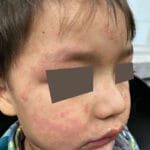
Rash: Appearing 3–5 days after symptoms begin, starting at the hairline and spreading downward.