Hurricane UT Measles Risk Calculator & Local Data
Your Results
*This tool is for educational purposes. Consult the Southwest Utah Public Health Department for official guidance.
Measles is a highly contagious viral illness that can spread quickly when an infected person comes into contact with others who do not have immunity. Families living in Hurricane and nearby communities in Washington County should understand how this infection spreads, what early warning signs look like, and when medical advice may be necessary.
Southwest Utah has experienced measles activity during the 2025–2026 outbreak. According to Utah Department of Health and Human Services data, the Southwest Utah Public Health District has reported cases during this period. The situation can change as new infections are investigated and confirmed, so residents should check official updates rather than rely on older case totals.
This resource helps residents consider their possible exposure history, vaccination records, and symptom timeline. It is intended to support awareness and informed decisions, not to determine whether someone has an active infection.
How the Local Risk Calculator Works
Understanding when a possible exposure occurred and whether someone has received the recommended vaccinations can help determine what steps to discuss with a healthcare professional.
The calculator above uses two important pieces of information:
- Possible exposure date: The date you may have been around someone who had measles or visited a location identified by public health officials.
- Vaccination history: Whether you have received no MMR doses, one dose, or the recommended two-dose series.
These details provide a starting point for understanding the situation. However, they cannot establish an individual’s exact probability of becoming infected. Actual risk depends on several additional factors, including the nature and duration of contact, immunity, the presence of an infectious person, and the timing of exposure.
Why the Exposure Date Matters
The date helps establish a period during which symptoms may develop. Measles symptoms generally appear around 7 to 14 days after exposure, although the full observation period can extend to 21 days.
Someone who feels completely healthy immediately after contact should not automatically assume that infection is impossible. The virus has an incubation period, during which symptoms may not yet be noticeable.
Why Vaccination Status Matters
Previous vaccination is one of the most important factors when evaluating possible exposure. People who have completed the recommended MMR series have a much lower chance of developing the illness than those without immunity.
According to public health guidance, two doses provide approximately 97% protection against measles. One dose provides approximately 93% protection.
Protection is very strong, but it is not absolute. Anyone with a known exposure should follow medical and public-health advice even if their vaccination records appear complete.
Current Measles Situation in Southwest Utah
Hurricane is located in Washington County, within the Southwest Utah Public Health District. Because people regularly travel between Hurricane, St. George, La Verkin, Toquerville, and surrounding communities, public-health awareness is important throughout the region.
Utah’s 2025–2026 outbreak response has included confirmed infections in several local health districts. The state publishes information about confirmed cases, possible exposure locations, and prevention recommendations.
Residents should understand that a statewide case count does not represent the number of infected people in Hurricane itself. Similarly, a case reported somewhere in Southwest Utah does not mean that every neighborhood or household has experienced an exposure.
Communities That May Benefit From Local Awareness
- Hurricane: Families, schools, childcare facilities, and people using shared community spaces should maintain awareness of vaccination recommendations.
- La Verkin: Residents should monitor public-health announcements and review their immunization records.
- Toquerville: Families should know the early signs and understand how to respond after possible contact.
- St. George: As a regional population center, it is important for residents to follow official exposure notices and healthcare guidance.
- Leeds and nearby communities: Travelers and households should pay attention to confirmed exposure announcements when available.
These locations are included for regional awareness, not because each community has a confirmed active exposure site.
How Measles Spreads From One Person to Another
The virus spreads primarily through the air when an infected person breathes, coughs, or sneezes. Tiny infectious particles can remain in the air for up to two hours after the person has left an enclosed space.
This makes measles considerably more contagious than many common respiratory illnesses.
Transmission may occur in places such as:
- Schools and daycare centers.
- Healthcare facilities and waiting rooms.
- Grocery stores and shopping centers.
- Churches and community gathering spaces.
- Public transportation and crowded indoor locations.
- Homes where an infected person lives.
People who are not immune are especially vulnerable. According to the CDC, approximately 9 out of 10 susceptible people who have close contact with an infected person may become infected.
Measles Incubation Period and Symptom Timeline
One important part of evaluating possible exposure is understanding how long it may take for symptoms to appear.
The illness does not usually produce immediate warning signs. Instead, the virus develops inside the body before the first symptoms become noticeable.
Typical Timeline After Exposure
| Time after exposure | What may happen |
|---|---|
| Days 1–5 | Symptoms may not be present. The person may feel completely normal. |
| Days 6–10 | Some people may begin approaching the early symptom period. |
| Days 11–14 | Early symptoms commonly become noticeable during this period. |
| Days 14–18 | A characteristic rash may develop as the illness progresses. |
| Days 19–21 | Continue monitoring for symptoms throughout the recommended observation period. |
These are general timeframes rather than a guaranteed sequence. Individual experiences can vary, and medical guidance should take priority over a calculator-generated timeline.
Early Symptoms to Watch For
Measles often begins with symptoms that resemble an ordinary respiratory infection. This can make early recognition difficult, particularly in children.
1. Fever
A rising temperature is commonly one of the first signs. The fever can become quite high, sometimes reaching 104°F to 105°F.
2. Persistent Cough
A dry or persistent cough may develop as the respiratory illness progresses. It can occur alongside other early symptoms.
3. Runny Nose
A person may experience nasal congestion, a runny nose, or symptoms that initially resemble a common cold.
4. Red and Watery Eyes
The eyes may become irritated, red, and sensitive to light. This condition is known as conjunctivitis.
5. Small White Spots Inside the Mouth
Some patients develop tiny white or bluish-white spots inside the cheeks. These are known as Koplik spots and can appear before the skin rash.
6. Characteristic Skin Rash
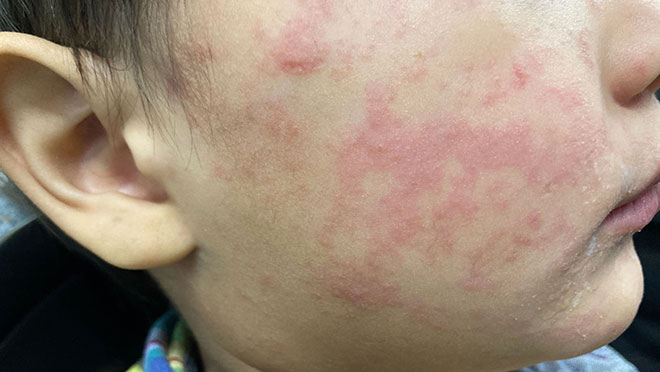
The rash usually begins around the hairline or face before spreading downward toward the neck, chest, abdomen, arms, and legs.
Individual spots may join together as the eruption spreads. Its appearance, combined with fever and respiratory symptoms, can raise concern for this infection.
Not everyone experiences every symptom in exactly the same way. A healthcare professional should assess suspected cases.
MMR Vaccination and Protection
The measles, mumps, and rubella vaccine is the primary method of preventing this infection. It helps the immune system recognize the virus and respond more effectively if exposure occurs.
For most children, the recommended routine schedule includes:
- First dose: Between 12 and 15 months of age.
- Second dose: Between 4 and 6 years of age.
Children who are traveling internationally or living in an area with an outbreak may need different timing based on their circumstances. A healthcare provider can explain whether an early dose is appropriate.
What If You Have Received Only One Dose?
One dose provides substantial protection, but the recommended two-dose series offers stronger protection. Adults who have incomplete records should discuss their history with a healthcare professional.
Some people vaccinated before 1990 may have received only one dose under the recommendations in effect at that time. Others who received an older vaccine between 1963 and 1967 may need special assessment.
Can Fully Vaccinated People Still Become Infected?
Yes, although this is uncommon. No vaccine provides perfect protection in every individual.
People who develop an infection despite previous vaccination may experience a milder illness. Nevertheless, they should seek medical advice and follow isolation instructions if symptoms occur after a known exposure.
Who May Be More Vulnerable to Complications?
Although many people recover, measles can cause serious health problems. Certain groups require particular attention because their chances of experiencing complications may be higher.
- Infants: Babies who are too young for routine vaccination may have limited protection.
- Young children: Children under five can develop serious complications, including pneumonia.
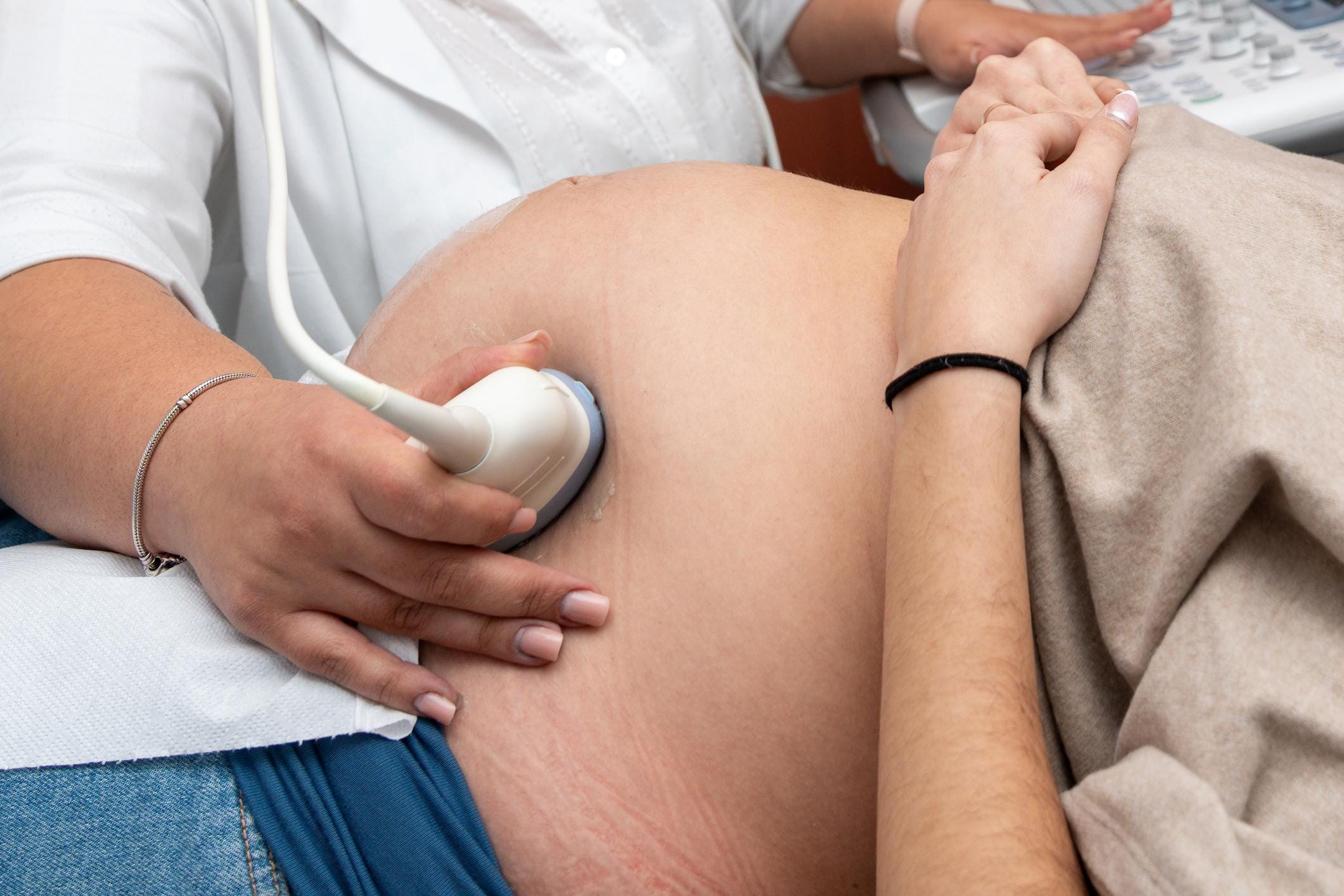
- Pregnant individuals: Infection during pregnancy may increase the risk of pregnancy complications.
- Adults: People aged 20 and older may experience more serious illness than older children.
- Immunocompromised individuals: People with weakened immune systems may have difficulty fighting the infection.
Anyone in these groups who may have been exposed should contact a healthcare professional promptly, even if symptoms have not developed.
What Should You Do After Possible Exposure?
If you believe you have been around someone with measles, taking appropriate action early can make a difference.
Step 1: Identify the Possible Exposure
Write down when and where the contact may have happened. Include the location, approximate duration, and whether the exposure involved a household member or another close contact.
Step 2: Review Your Immunization Records
Check your vaccination records or contact your healthcare provider. If you cannot confirm your history, ask about appropriate testing or vaccination options.
Step 3: Contact a Healthcare Professional
Do not wait for symptoms if you know you have had a significant exposure. Post-exposure options may be available, and timing is important.
MMR vaccination may help prevent or modify illness when administered within 72 hours of initial exposure. Immune globulin may be recommended for certain susceptible individuals when given within six days of exposure.
The appropriate option depends on age, pregnancy status, immune function, vaccination history, and other medical circumstances. Do not attempt to choose a treatment based only on the calculator.
Step 4: Monitor Your Health
Watch for fever, cough, runny nose, red eyes, and any developing rash for 21 days after the last possible exposure, following local public-health instructions.
Step 5: Avoid Exposing Other People
If symptoms develop, remain at home and stay away from others. Call your healthcare provider before visiting a clinic, urgent care center, or hospital.
This advance notice allows medical staff to arrange appropriate precautions and protect other patients.
Where Can Hurricane Residents Find Local Guidance?
Residents should rely on official health authorities for current case information, exposure notices, and vaccination recommendations.
Utah Department of Health and Human Services
The state maintains an outbreak response page with confirmed case information, exposure notices, prevention advice, and answers to common questions.
Visit the official Utah measles outbreak response page.
Southwest Utah Public Health District
Local public-health officials can provide guidance about regional exposure concerns, vaccination services, and appropriate next steps.
Visit Southwest Utah Public Health.
CDC Measles Information
The Centers for Disease Control and Prevention provides national recommendations for vaccination, exposure management, symptoms, and infection prevention.
Explore CDC measles information.
When Should You Seek Immediate Medical Attention?
Suspected measles deserves prompt medical attention, particularly when a person has a known exposure and develops fever or a rash.
Some warning signs require urgent evaluation, including:
- Difficulty breathing or shortness of breath.
- Persistent high fever or a fever that does not improve.
- Severe dehydration or inability to drink fluids.
- Unusual sleepiness, confusion, or difficulty waking.
- Seizures or other signs of neurological complications.
Call 911 for a life-threatening emergency. If measles is suspected, tell emergency personnel about the possible infection before arriving at a healthcare facility.
Possible Complications of Measles
It is important to understand that this illness is not simply a temporary skin rash. In some individuals, it can affect several parts of the body and lead to serious complications.
Pneumonia
Pneumonia is among the more serious complications and can cause breathing difficulties. It is particularly concerning in young children and people with weakened immune systems.
Ear Infections
Some children develop middle ear infections during or after the illness. These may cause discomfort, fever, and temporary hearing problems.
Diarrhea and Dehydration
Gastrointestinal symptoms may make it difficult to maintain adequate fluid intake. Parents should watch for reduced urination, dry mouth, and unusual tiredness.
Encephalitis
In rare cases, inflammation of the brain can occur. This is a serious complication that may cause seizures, neurological damage, or long-term disability.
Pregnancy Complications
Infection during pregnancy can increase the risk of complications, including pregnancy loss, premature delivery, and low birth weight.
How Families Can Reduce the Risk of Infection
Prevention is particularly important for households with young children, older adults, and people who cannot receive certain vaccines.
- Keep routine vaccinations up to date.
- Check children’s immunization records before school and childcare enrollment.
- Stay informed about official exposure announcements.
- Avoid unnecessary contact with people who may have measles.
- Follow medical advice after a known exposure.
- Keep symptomatic individuals away from shared indoor spaces.
- Call ahead before seeking medical care if infection is suspected.
Handwashing and routine cleaning are useful general hygiene practices, but they cannot replace vaccination or appropriate airborne infection precautions.
Frequently Asked Questions
1. Is measles currently a concern in Hurricane, Utah?
Southwest Utah has been affected by the 2025–2026 measles outbreak. However, the number of cases and locations of possible exposure can change. Residents should review the latest Utah DHHS announcements rather than assume that an older local case count represents current conditions in Hurricane.
2. How accurate is this local risk calculator?
It is an educational tool that uses exposure timing and vaccination information to provide general context. It cannot calculate a clinically validated infection probability or confirm whether someone has measles. Actual risk requires consideration of exposure circumstances and individual immunity.
3. How soon can symptoms appear after contact?
Early symptoms commonly develop around 7 to 14 days after exposure. The rash often appears several days after the initial fever and respiratory symptoms. Monitoring may be recommended for 21 days after the last possible contact.
4. Can I develop the infection after receiving two MMR doses?
Yes, but it is uncommon. Two doses provide approximately 97% protection. Anyone who develops compatible symptoms after exposure should still contact a healthcare professional.
5. Should I get vaccinated if I do not remember my vaccination history?
Speak with your healthcare provider about your records and whether vaccination is appropriate. They can help determine whether additional doses or other assessment may be needed.
6. Can babies under 12 months receive the MMR vaccine?
Some infants may receive an early dose in specific circumstances, such as certain travel or outbreak situations. The decision should be made with a pediatric healthcare professional. An early dose does not replace the two routine doses given later.
7. What should parents do if their child develops a fever and rash?
Keep the child away from other people and contact a healthcare professional immediately. Explain the symptoms and any possible exposure. Do not take the child directly into a crowded clinic waiting room without calling first.
8. Can a person spread measles before developing a rash?
Yes. Infected individuals can spread the virus beginning approximately four days before the rash appears and continuing for four days afterward. This is one reason the infection can spread before someone realizes they are sick.
9. Does a previous measles infection provide immunity?
A previous confirmed infection generally provides long-lasting immunity. However, anyone uncertain about their medical history should discuss their situation with a healthcare professional.
10. Is there a specific medicine that cures measles?
There is no specific antiviral treatment routinely used to cure an uncomplicated measles infection. Medical care generally focuses on hydration, symptom relief, monitoring, and treating complications when necessary. Vitamin A may be recommended for children with measles under medical supervision.
11. Can pregnant women use this calculator to determine whether they are safe?
No. Pregnancy requires additional medical consideration. Anyone who is pregnant and may have been exposed should contact a healthcare professional promptly. The MMR vaccine is a live vaccine and is not recommended during pregnancy.
12. Where can I check confirmed exposure locations around Hurricane?
Use the Utah Department of Health and Human Services outbreak response page. Its exposure information is updated as locations are confirmed and reported. Not every possible exposure will necessarily appear on the public list.
13. Should I visit an emergency room if I suspect measles?
Call ahead before visiting. This allows healthcare personnel to arrange appropriate precautions and reduce the possibility of exposing other patients. For severe or life-threatening symptoms, call 911 and explain the suspected infection.
14. Does being vaccinated mean I can ignore exposure notices?
No. Vaccination provides strong protection, but it is not perfect. Follow official guidance and monitor for symptoms if you have had a known exposure.
Important Medical Disclaimer
This Hurricane and Southwest Utah educational resource is provided for general health awareness and informational purposes only. Its calculator does not diagnose measles, determine immunity, replace laboratory testing, or predict an individual’s exact chance of infection.
Case counts, exposure locations, and public-health recommendations may change. Always consult the Utah Department of Health and Human Services, Southwest Utah Public Health District, or a qualified healthcare professional for current information.
If you suspect exposure or develop symptoms, seek professional guidance promptly. Call before visiting a healthcare facility to help protect other patients, healthcare workers, and the community.