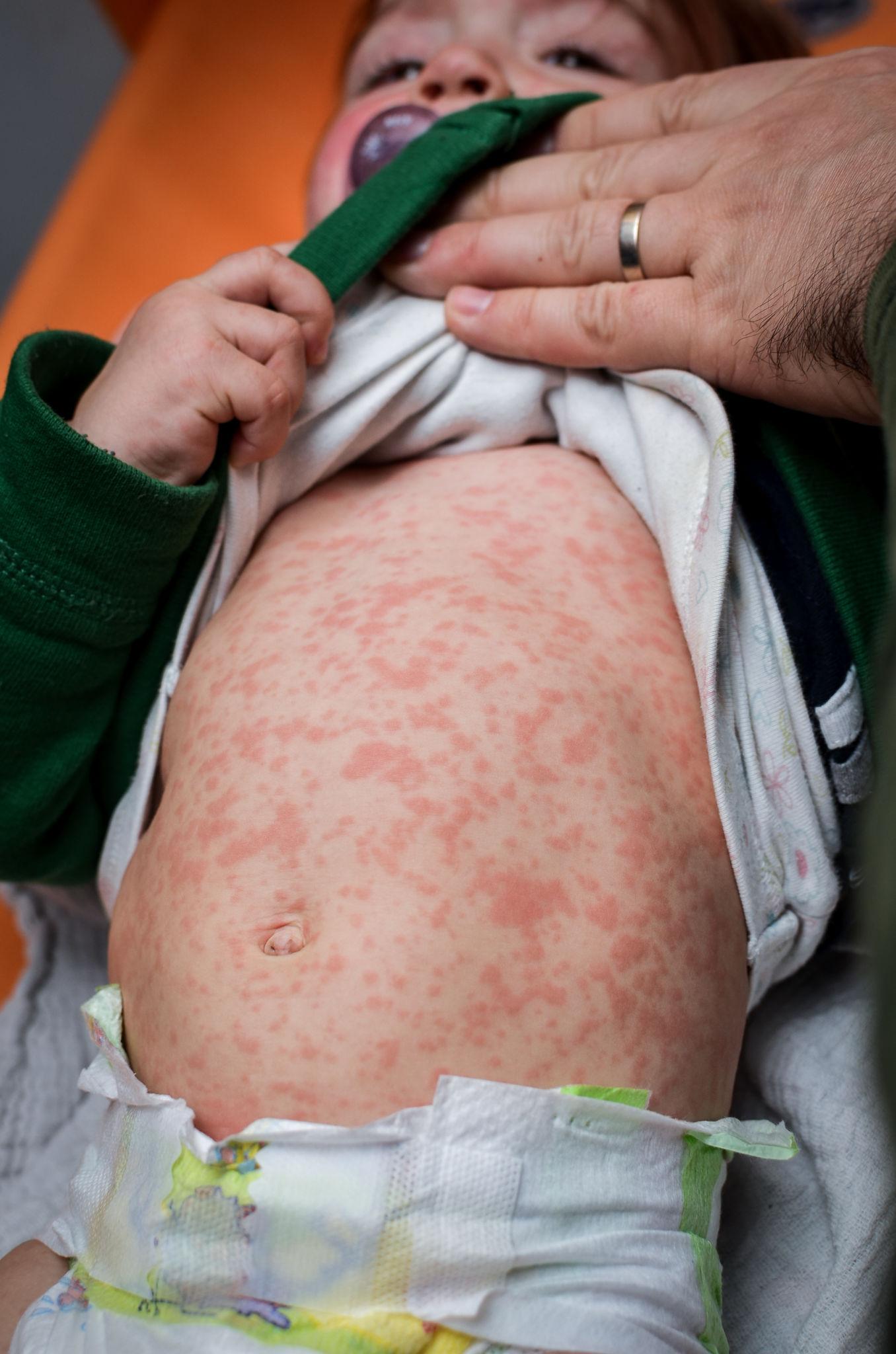
Measles Symptom Checker for Kids
Use this tool to check your child’s symptoms. This is for educational purposes and is not a clinical diagnosis.
(Cough, Coryza/Runny Nose, Conjunctivitis/Red Eyes)
Yes, child has these symptoms.(Tiny white spots inside the mouth/cheeks)
Yes, I see white spots in the mouth.(Started at the hairline/face and spread downward)
Yes, a spreading rash is present.When a child develops a fever, cough, red eyes, or an unusual skin rash, parents naturally want to understand what may be happening. Some childhood illnesses cause similar symptoms, making it difficult to tell them apart just by looking. However, certain combinations of signs deserve special attention, particularly when there has been possible exposure to a contagious infection.
This page provides a simple way to review common warning signs, understand how they may develop, and decide when professional medical attention is needed. The interactive tool above can help parents organize what they have noticed. It cannot confirm an infection or replace an examination by a qualified healthcare professional.
Measles is a highly contagious viral illness that can cause serious complications, especially in babies and children under five. Recognizing the early changes and contacting a healthcare provider promptly can help protect the affected child and others.
What Is Measles and Why Should Parents Be Concerned?
Measles, also known as rubeola, is an infection caused by a virus that spreads through the air. An infected person can release tiny infectious particles when coughing, sneezing, or breathing. Other people may become infected after inhaling these particles, even if they do not have direct physical contact with the sick individual.
The virus can remain infectious in the air for up to two hours after an infected person has left an enclosed space. This makes it particularly important to take possible exposure seriously.
Although some children recover without lasting problems, the illness can sometimes affect the lungs, ears, digestive system, and brain. Babies, young children, and individuals with weakened immune systems may face a greater risk of severe outcomes.
Early Signs to Watch for in Your Child
The first symptoms usually appear about 7 to 14 days after exposure, although the timing can vary. At first, the illness may resemble an ordinary respiratory infection. Parents may notice several changes before the characteristic rash becomes visible.
1. High Fever
A rising temperature is often among the earliest warning signs. It may begin with a mild increase and become considerably higher over the following days.
- The child may feel unusually warm or uncomfortable.
- Temperature readings may rise above 103°F.
- In some cases, the fever can exceed 104°F.
- Fatigue, irritability, and reduced appetite may occur.
- Some children may become less interested in playing or their usual activities.
A fever alone does not establish the cause. Many childhood infections can produce similar readings, so parents should consider the complete pattern and any known exposure.
2. Persistent Cough
A dry or persistent cough may develop during the early stage. It can occur alongside a runny nose, fever, and irritation around the eyes.
Parents may notice that their child coughs more frequently than usual, has difficulty resting comfortably, or appears tired after coughing episodes. Breathing problems, rapid breathing, or chest discomfort require prompt medical assessment.
3. Runny Nose
A watery nasal discharge is another common early feature. It may look similar to what happens during a cold or other respiratory illness.
The child may sneeze frequently, wipe the nose repeatedly, or experience congestion. When this change appears together with high fever and coughing, it deserves closer attention.
4. Red or Watery Eyes
The eyes may become irritated, red, and watery. Some children also become sensitive to bright light.
Parents might notice:
- Redness in one or both eyes.
- Excessive tearing.
- Discomfort in bright rooms or sunlight.
- Mild swelling or irritation around the eyelids.
- Eye symptoms occurring with fever and respiratory complaints.
This inflammation is called conjunctivitis. It can also occur with other viral infections, so it should not be considered proof of a particular illness.
What Are Koplik Spots?
Koplik spots are tiny whitish or bluish-white marks that may appear inside the mouth, often on the inner cheeks near the back teeth. They are considered a characteristic early finding associated with measles.
These marks may be difficult for parents to notice, especially in a young child who does not cooperate during an oral examination. They can appear before the skin rash develops, usually around two to three days after the first symptoms begin.
Keep in mind that parents should not force a child’s mouth open or attempt to make a diagnosis based on small spots. A healthcare professional can assess suspicious findings safely.
How Does the Measles Rash Develop?
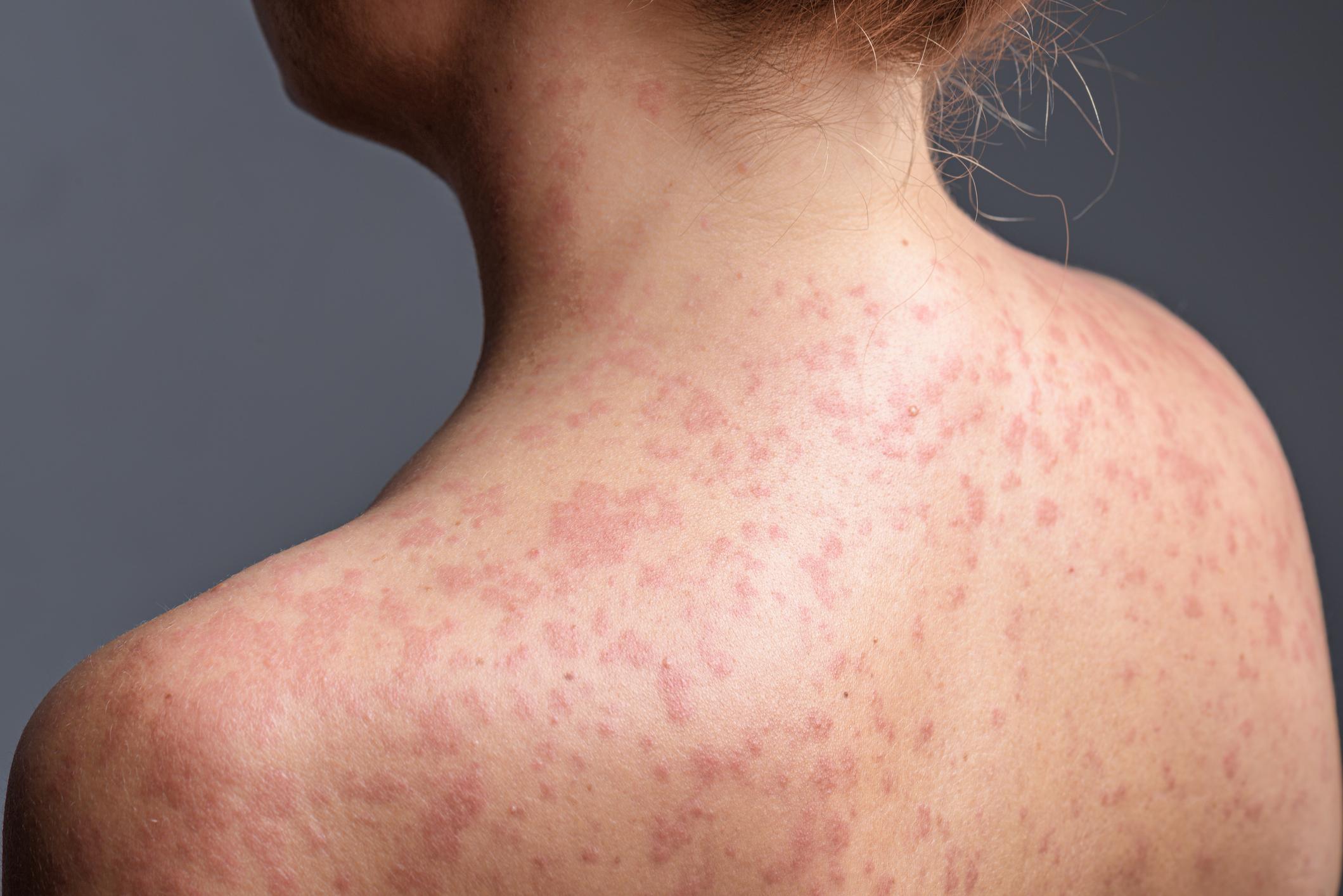
The rash is one of the more recognizable features of this infection. It generally appears about three to five days after the initial symptoms begin.
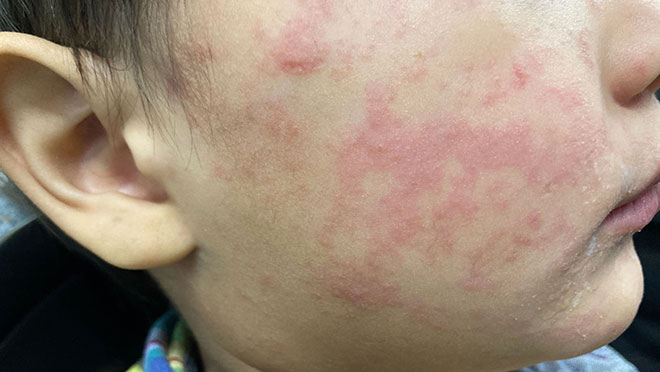
It often starts around the hairline or face before moving downward to the neck, chest, back, arms, legs, and feet. Small red or reddish-brown spots may gradually become more widespread. Some areas can merge together as the eruption progresses.
Common Features of the Rash
- It usually begins around the face or hairline.
- It gradually spreads toward the lower body.
- Individual spots may be flat or slightly raised.
- Some areas may join together as the rash expands.
- The fever may become higher when the skin changes appear.
Skin appearance can vary depending on a child’s natural complexion. On lighter skin, the spots may appear red or reddish. On darker skin, they may look purple, brown, or darker than the surrounding area.
Not every childhood rash follows this pattern. Allergies, medication reactions, other viral illnesses, and several skin conditions can produce similar changes. A clinician must evaluate the complete picture.
Typical Timeline: From Exposure to Recovery
Understanding the usual progression can help parents explain the child’s condition when speaking with a healthcare professional. The following timeline is a general guide, not a prediction of exactly what will happen in every case.
Days 1–14 After Exposure
The child may appear completely healthy during this period. The virus can be developing in the body before noticeable symptoms begin. Most people develop their first symptoms around 7 to 14 days after exposure.
Early Illness
Fever, cough, runny nose, and red or watery eyes may develop. The child might seem tired, uncomfortable, or less interested in food and play.
Approximately 2–3 Days After Symptoms Begin
Koplik spots may become visible inside the mouth. However, their absence does not rule out infection.
Approximately 3–5 Days After Symptoms Begin
The characteristic skin eruption may appear, usually starting on the face and spreading downward. Fever can become particularly high around this stage.
Following Days
The rash may gradually fade, often in the same general order in which it appeared. Recovery time varies, and tiredness or other symptoms may continue after the visible changes begin to improve.
Measles Symptoms Compared With an Ordinary Cold
Several childhood conditions begin with fever, nasal discharge, or coughing. This overlap can make early recognition challenging.
| Feature | Possible Measles | Common Cold |
|---|---|---|
| Fever | Can become very high | Often mild, although it varies |
| Cough | Common | Common |
| Runny nose | Common | Common |
| Red, watery eyes | Common | Less characteristic |
| Koplik spots | May occur | Not a typical feature |
| Skin rash | Often develops several days after early symptoms | Not a usual feature of an uncomplicated cold |
| Serious complications | Can include pneumonia and brain inflammation | Usually causes milder illness |
This comparison is educational only. It cannot distinguish one infection from another with certainty. A child with a concerning combination of symptoms or a known exposure should be evaluated by a healthcare professional.
How to Use the Interactive Symptom Checker
The tool above is intended to help parents review several important observations in one place. Before selecting the answers, take a moment to consider how your child has been feeling and when each change first appeared.
Step 1: Review the Temperature
Check whether your child has developed a significant fever. If possible, use a reliable thermometer and record the reading and time.
Step 2: Look for Respiratory and Eye Symptoms
Consider whether coughing, a runny nose, and red or watery eyes are present. These changes may develop together during the early stage.
Step 3: Consider Changes Inside the Mouth
Small white marks inside the cheeks may be relevant. Do not assume that their absence means the child is free from infection.
Step 4: Observe Any Skin Changes
Notice where the rash first appeared and whether it has spread to other parts of the body. If appropriate, take a photograph for the healthcare professional.
Step 5: Review the Result Carefully
The result is an educational indication based on the answers entered. It does not calculate the actual probability of infection, confirm a diagnosis, or replace laboratory testing and professional evaluation.
Important: Do not wait for all the symptoms to appear before seeking medical advice. If exposure is suspected, contact a healthcare provider immediately, even if your child currently looks well.
When Should Parents Contact a Doctor?
Prompt communication with a pediatrician is important whenever there is a reasonable concern about possible exposure or a compatible combination of symptoms.
Call the medical office or hospital before arriving. Explain that your child may have been exposed or could have a contagious illness. The staff can provide instructions and arrange an appropriate evaluation without unnecessarily exposing other patients and healthcare workers.
Contact a healthcare professional promptly if your child has:
- A high or persistent fever.
- A new rash accompanied by fever.
- Cough, runny nose, and red or watery eyes together.
- Possible contact with someone diagnosed with measles.
- Unusual tiredness or a noticeable change in normal behavior.
- Difficulty drinking enough fluids.
Emergency Warning Signs: When to Get Immediate Help
Some symptoms require emergency medical attention rather than waiting for a routine appointment. Seek immediate care if your child develops any of the following:
- Difficulty breathing: Breathing becomes labored, unusually fast, or noticeably difficult.
- Blue or gray lips: A change in color around the mouth may indicate inadequate oxygen.
- Severe dehydration: Very little urination, a dry mouth, or crying without tears may be warning signs.
- Reduced alertness: The child becomes unusually difficult to wake, confused, or poorly responsive.
- Severe weakness: The child is unable to participate in normal activities or appears seriously unwell.
- Persistent severe headache: A severe headache, particularly with unusual behavior or other neurological changes, needs urgent assessment.
- Difficulty feeding: A baby refuses feeds or has markedly reduced energy.
Call 911 in the United States for a life-threatening emergency. If possible, have someone notify the emergency department before arrival so the staff can take appropriate infection-control precautions.
Possible Complications in Young Children
Most parents hope that an illness will pass without major problems. However, this particular virus can affect several parts of the body, and complications are an important reason not to dismiss early warning signs.
Pneumonia
A lung infection is one of the most serious complications. It may cause rapid breathing, persistent coughing, chest discomfort, and difficulty getting enough air.
Ear Infections
Some affected children develop middle-ear infections. Signs may include ear pain, fever, irritability, trouble sleeping, or changes in hearing.
Diarrhea and Dehydration
Loose stools, reduced appetite, and fever can make it harder for a young child to maintain adequate fluid levels. Watch for reduced urination, dry lips, a dry mouth, and fewer tears.
Encephalitis
In rare cases, inflammation of the brain can occur. This is a serious complication that may cause seizures, confusion, reduced consciousness, or other neurological problems.
Long-Term Neurological Complications
A very rare condition called subacute sclerosing panencephalitis (SSPE) can develop years after the original infection. It is a progressive neurological disorder and is one reason prevention is so important.
What Should Parents Do if Their Child May Have Been Exposed?
Do not wait until a rash develops to take action. If your child has been near someone diagnosed with this infection, contact your pediatrician or local health department promptly.
- Call first: Explain the possible exposure, the date it happened, and whether any symptoms have developed.
- Check vaccination records: Have your child’s MMR vaccination history available.
- Follow medical instructions: A healthcare professional can advise whether additional preventive measures or testing are appropriate.
- Limit contact: Avoid unnecessary visits to schools, childcare facilities, public spaces, and other households until you receive guidance.
- Monitor changes: Keep a record of temperature readings, symptoms, and their approximate starting times.
For some people, medical professionals may recommend post-exposure measures. These can depend on the child’s age, vaccination history, immune status, and how recently the contact occurred. Certain interventions are time-sensitive, so an early call matters.
How Can Parents Help Prevent Measles?
Vaccination is the most effective way to protect children against this infection. In the United States, the measles, mumps, and rubella (MMR) vaccine is part of the routine childhood immunization schedule.
Understanding the MMR Schedule
According to routine CDC recommendations:
- The first dose is generally given at 12 through 15 months of age.
- The second dose is generally given at 4 through 6 years of age.
Children who are traveling internationally or living in communities experiencing an outbreak may need different timing. Infants aged 6 through 11 months may be recommended an early dose in certain circumstances. This early dose does not replace the two routine doses after the first birthday.
Parents should speak with their child’s healthcare professional about the appropriate schedule, especially if a dose has been missed or an exposure has occurred.
Can a Vaccinated Child Still Get Measles?
Two doses of MMR vaccine provide strong protection, but no vaccine is 100% effective. A small number of vaccinated people may still become infected following exposure.
However, vaccination substantially reduces the risk of infection and severe complications. If a vaccinated child develops a compatible combination of symptoms after possible exposure, parents should still contact a healthcare professional rather than assuming that infection is impossible.
How Is Measles Diagnosed?
A healthcare professional considers several factors when evaluating a child. These may include the symptom pattern, vaccination history, travel history, possible contact with an infected person, and whether cases have been reported in the local community.
Because several illnesses can cause fever and rash, appearance alone is not sufficient for confirmation.
Laboratory testing may be recommended. Depending on the circumstances, this can include:
- Blood testing for measles-specific antibodies.
- Real-time reverse transcription polymerase chain reaction (RT-PCR) testing using an appropriate clinical specimen.
- Additional testing when the healthcare team needs to investigate complications or alternative causes.
Parents should follow the medical team’s instructions about testing arrangements. Do not visit a laboratory or clinic without first explaining the possibility of exposure.
How Is the Illness Treated?
There is no specific antiviral medication routinely used to cure an uncomplicated measles infection. Care generally focuses on managing symptoms, preventing dehydration, monitoring for complications, and providing additional treatment when needed.
Depending on the child’s condition, a healthcare professional may recommend:
- Appropriate fluids to maintain hydration.
- Rest and a comfortable environment.
- Fever management using age-appropriate medication and professional guidance.
- Monitoring of breathing, feeding, and urine output.
- Hospital care when complications or severe symptoms develop.
Vitamin A may be recommended by a healthcare professional for children with confirmed infection in certain clinical circumstances. It should only be given under medical supervision because excessive amounts can cause toxicity.
Never give aspirin to children unless specifically directed by a healthcare professional. Do not use leftover antibiotics or prescription medicines without medical advice. Antibiotics do not treat the virus itself, although a clinician may prescribe them for a separate bacterial complication.
Keeping Other Family Members Safe
Because this infection spreads very easily, protecting other household members is important. Follow the isolation instructions provided by your healthcare professional or local public health department.
- Keep the sick child away from people who are not already infected or immune, as directed by public health authorities.
- Avoid visitors and unnecessary outings.
- Do not send the child to school or childcare while contagious.
- Inform healthcare professionals before attending appointments.
- Check whether household members are up to date on their MMR vaccination.
- Pay particular attention to babies, pregnant people, and individuals with weakened immune systems.
Under current CDC guidance, people with measles should stay home through the fourth day after the rash begins and may generally return after the fifth day, provided public health and healthcare professionals have not given different instructions.
Frequently Asked Questions
1. What are the first signs parents may notice?
Early changes commonly include fever, cough, runny nose, and red or watery eyes. These may initially look like a respiratory infection. The characteristic rash generally appears several days later.
2. How long after exposure do symptoms begin?
The first symptoms generally develop about 7 to 14 days after exposure. The rash usually appears around three to five days after the initial symptoms begin. Timing can vary from child to child.
3. Does every infected child develop Koplik spots?
No. Although these small whitish marks inside the cheeks are a characteristic finding, they may not be noticed or present in every child. Their absence does not rule out infection.
4. Can the rash appear before the fever?
The usual pattern is fever and respiratory symptoms first, followed by the rash several days later. However, individual presentations may differ, and parents should not rely on timing alone.
5. Is a rash on the face always a sign of measles?
No. Many childhood conditions can cause facial rashes, including other viral infections, allergies, and skin irritation. A healthcare professional must consider the child’s other symptoms and exposure history.
6. Can a child have measles without a noticeable rash?
The typical illness includes a characteristic rash, but early disease may begin before it appears. Some vaccinated individuals may also experience modified or less typical symptoms. Medical assessment is important when exposure is suspected.
7. Is measles dangerous for babies?
Yes. Babies and young children can be at greater risk of complications, including pneumonia and dehydration. Infants who are too young for routine vaccination need particular attention after possible exposure.
8. Should I take my child directly to the doctor’s office?
Call first. If you suspect this infection, the office needs to know before you arrive. Staff can explain where and how your child should be evaluated while reducing the risk of exposing others.
9. Can the MMR vaccine prevent this illness?
Yes. Two doses provide strong protection and are the best way to prevent measles. Ask your child’s healthcare professional whether the vaccination record is complete and whether any additional steps are needed.
10. Can the symptom checker confirm whether my child is infected?
No. It is an educational screening aid that organizes reported symptoms. It does not perform a physical examination, laboratory testing, or a clinical risk assessment. Only an appropriate medical evaluation can establish the diagnosis.
11. What should I do if my child has a fever but no rash?
Monitor the child’s condition and contact a healthcare professional if symptoms are concerning or exposure is possible. Do not wait for the rash before reporting a suspected exposure.
12. When can my child return to school?
A child with confirmed infection should follow public health isolation guidance. Current CDC recommendations generally require staying home through the fourth day after the rash begins, with the fifth day marking the earliest usual return point. The school, healthcare professional, or local health department may provide additional instructions.
Final Thoughts for Parents and Caregivers
Not every fever, cough, or childhood rash points to the same illness. However, when several characteristic changes appear together, especially after possible exposure, it is important to act promptly.
The interactive tool on this page can help you organize your observations and understand which signs deserve attention. Use the information as a starting point for a conversation with your child’s healthcare professional, not as a substitute for medical care.
Keep vaccination records current, follow public health guidance, and seek medical advice early when something does not seem right. A timely response can help protect your child, your family, and the wider community.
Medical Disclaimer
This educational resource is intended for general informational purposes only. It does not provide medical advice, diagnose disease, or replace an examination by a qualified healthcare professional. The symptom checker is not a validated diagnostic instrument and does not calculate an individual’s probability of infection.
If your child may have been exposed, contact a healthcare professional immediately and call before visiting a medical facility. For severe breathing difficulties, blue lips, reduced responsiveness, or another life-threatening emergency, call 911 in the United States.