Short Creek Measles Risk Calculator
Short Creek Exposure Tool
Based on CDC and Utah/Arizona Health Department Data (Feb 2026)
(Includes Hildale, UT or Colorado City, AZ)
Dry Cough / Runny Nose
Red, Watery Eyes
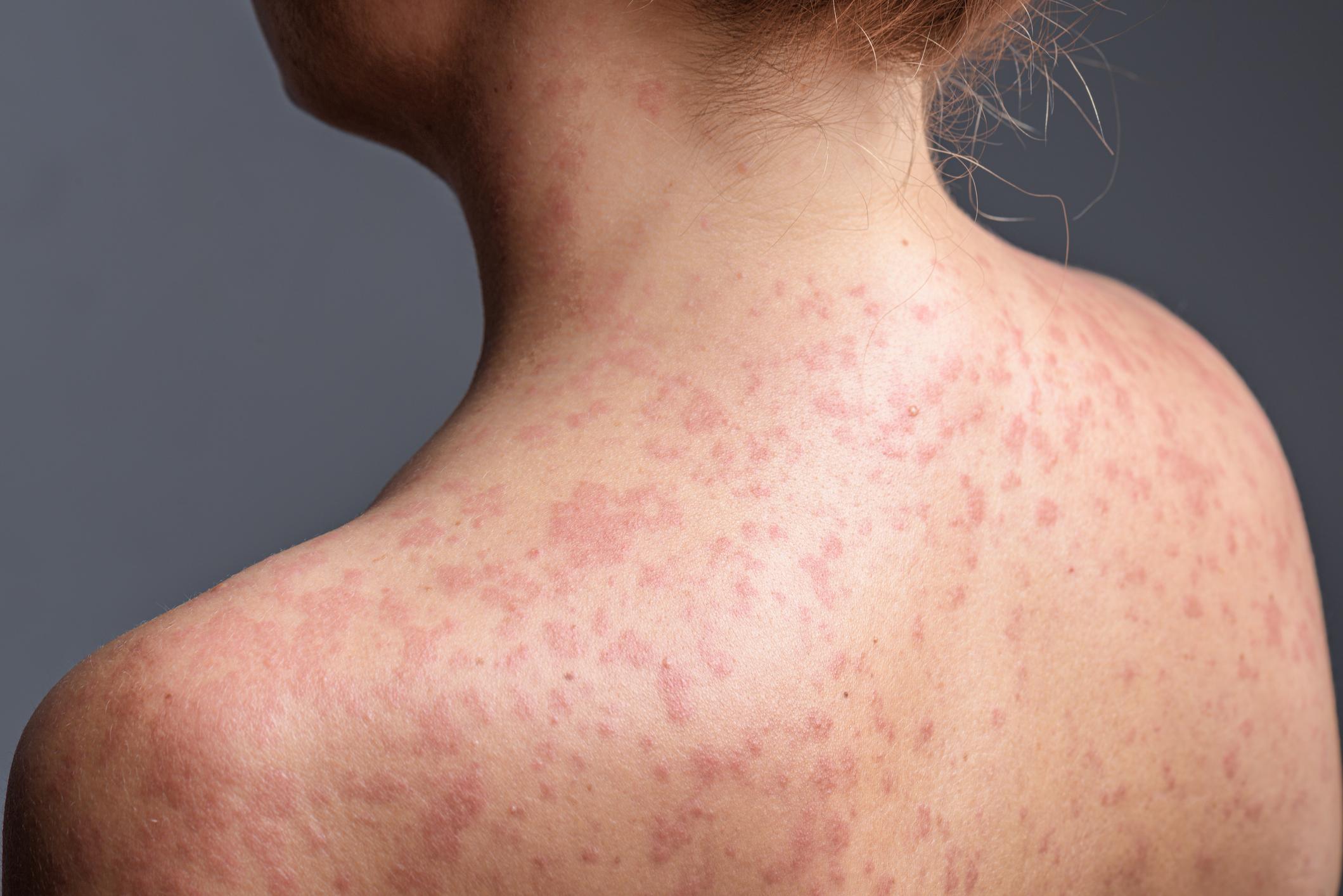
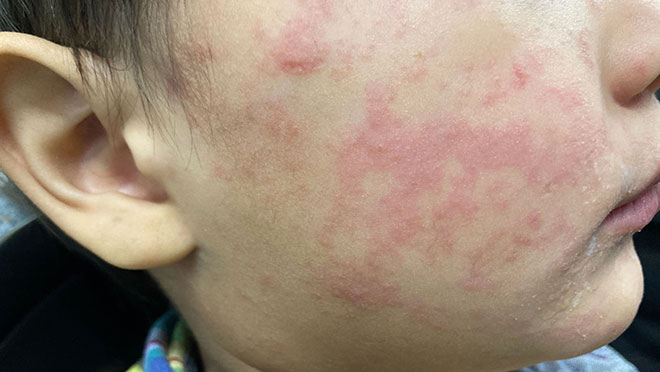
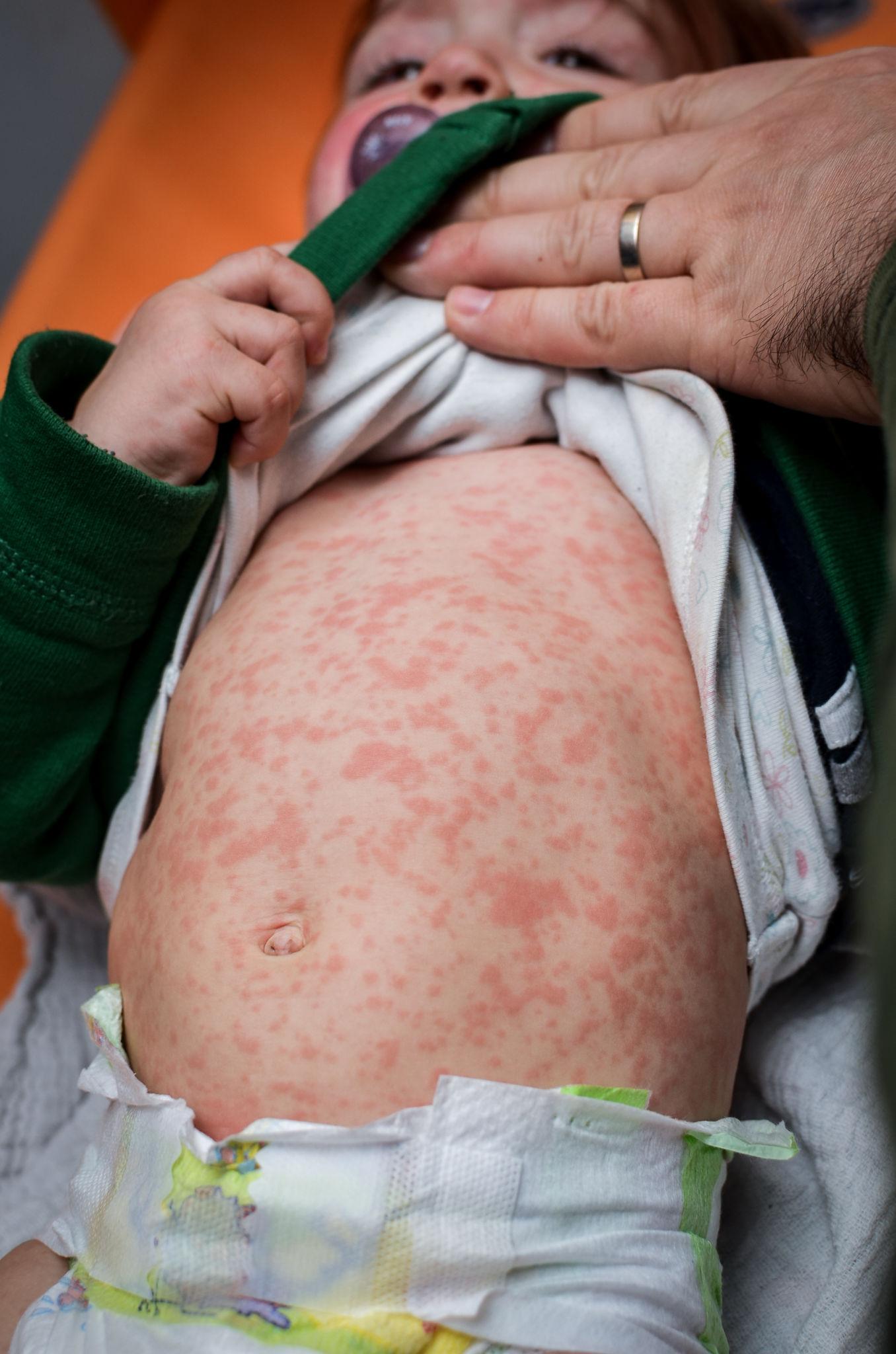
Red Blotchy Rash (starts on face)
Short Creek Measles Exposure & Vulnerability Check
Check your individual vulnerability, evaluate recent public exposure in the border region, and understand recommended protective steps.
Regional Advisory: Because of tight-knit social networks, shared interstate corridors between Hildale, Utah, and Colorado City, Arizona, and lower-than-average immunization coverage, airborne pathogens spread rapidly here. If you suspect an active infection, call a local clinic before arriving in person.
How Vulnerable Are You?
It evaluates your history, recent travel along the state line, and common symptoms to generate an actionable safety profile. Fill out the fields below to see what it recommends for you and your family.
How It Determines Your Score
When you submit your data, this compares your inputs against three clinical markers developed by public health epidemiologists:
- Immunological Defense: Two documented doses of the MMR vaccine deliver approximately 97% lifetime effectiveness; a single dose gives roughly 93%. It weighs this as the primary line of protection.
- Exposure Proximity: Measles is one of the most contagious viral diseases known. Because the virus remains infectious in shared airspace for up to two hours after an infected individual departs, it factors in shared indoor venues and school settings across Mohave and Washington counties.
- Incubation Timelines: Symptoms typically manifest 7 to 14 days following transmission. It factors in this biological window to help you pinpoint whether recent symptoms match a suspected exposure event.
Recognizing Measles Symptoms
Early identification helps prevent widespread community clusters. Infection usually follows a predictable, two-phase progression:
The Prodromal Phase (Days 1–4)
- High spiking fever (often exceeding 103°F / 39.4°C)
- The “Three Cs”: Cough, Coryza (runny nose), and Conjunctivitis (pink, watery eyes)
- Sensitivity to bright light (photophobia)
- Tiny white spots with bluish-white centers inside the mouth (Koplik spots)
The Rash Stage (Days 3–7)
- Erupts 3 to 5 days after initial fever starts
- Flat red spots that first appear along the hairline and behind the ears
- Spreads downward over the neck, trunk, arms, legs, and feet
- Small raised bumps may merge together as the rash extends across the body
Recommended Next Steps
- Verify your documentation: Check the state immunization registry—either the Utah Statewide Immunization Information System (USIIS) or the Arizona Immunization Information System (ASIIS)—to pull your official MMR record.
- Obtain post-exposure prophylaxis if eligible: If you are unvaccinated and had direct contact with an active case within the past 72 hours, receiving the MMR vaccine promptly can prevent or lessen disease severity. Immunoglobulin therapy may also be considered within 6 days for high-risk individuals.
- Call ahead before clinical visits: Do not walk directly into an urgent care or emergency waiting room if you exhibit compatible symptoms. Call the facility first so staff can implement negative-pressure isolation or arrange outdoor triage to safeguard other patients.