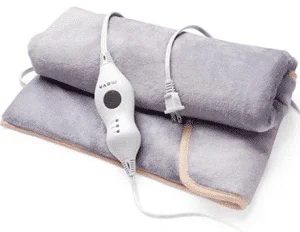
Using a heating pad on stomach areas has been a long-standing comfort practice across many cultures. People often turn to gentle warmth when dealing with cramps, digestive unease, or muscle tightness. Despite modern advancements, this simple method remains popular because it is easy to use, affordable, and familiar.
This guide explains how a heating pad placed on abdominal regions may ease discomfort, why warmth produces calming effects, situations where it may be useful, proper usage habits, and important safety points. Knowing both advantages and limitations allows thoughtful and responsible use.
How This Method Works on Abdominal Areas
Ever wondered how something so gentle creates noticeable relief? It begins as mild warmth or coolness meeting skin, and that quiet shift truly matters. As sensation settles in, deeper muscle layers and nearby nerves respond with a calmer rhythm, almost as if tension quietly loosens its grip. Can improved circulation really begin right at surface level? Absolutely—it can. Vessels in that area widen, allowing richer flow exactly where relief feels most welcome. With steady movement, oxygen and nutrients travel more freely, while irritating byproducts linked with discomfort drift away. Amazing, isn’t it, that such a simple touch of temperature can awaken change so meaningful and reassuring?
Another notable effect involves muscle response. Tight or spasming areas often react positively, as stiffness eases and gradual loosening occurs. This response is especially noticeable in abdominal regions where smooth muscle activity plays a role in digestion and monthly cycles.
In addition, gentle input activates sensory receptors within skin. These signals can interrupt unpleasant messages traveling toward brain. Often explained through gate control theory, non-painful stimulation may lower overall awareness of uneasy feelings.
Relief From Menstrual Cramps
Ever wondered why monthly strain sometimes feels so intense? During menstruation, uterus contracts to release its lining, and that natural rhythm can briefly limit blood flow, creating a deep, aching pressure many recognize. Could something as simple as placing gentle warmth across lower abdomen truly bring a difference? Absolutely, it can. Mild heat around that area often encourages surrounding tissues to loosen and settle, allowing circulation to move more freely right where discomfort gathers. As flow improves, tension frequently softens, leaving a sense of steadiness and lightness gradually returning. Isn’t it comforting to realize that relief may begin with such a simple, thoughtful step?
Research comparing this approach with over-the-counter pain relievers suggests that continuous low-level application may offer similar relief for mild to moderate cramps. Many individuals choose this option to avoid medication side effects and allow repeated use when needed.
Beyond physical ease, this approach often brings emotional reassurance during monthly cycles. A steady feeling can encourage calm and lessen tension that might otherwise intensify monthly pain.
Easing Digestive Discomfort
Ever notice bloating, gas, or faint tightening across abdomen appearing almost out of nowhere? What sparks such uneasy waves? Often internal contractions working a little too hard. Could gentle warmth resting over midsection shift that discomfort at all? Yes, warmth can. As mild heat settles across abdomen, nearby tissues begin to loosen, tension eases, and spasms linked with unsettled sensations start fading. Circulation grows steadier, pressure lifts, and a feeling of lightness gradually returns. Doesn’t that realization feel empowering—relief beginning with one simple, intentional step?
This sensation may also activate parasympathetic nervous system activity, which promotes digestion and relaxation. Such responses can reduce feelings of pressure or tightness linked to digestive upset.
Individuals experiencing occasional constipation sometimes find this method useful alongside hydration and movement. It may encourage gentle muscle activity that aligns with natural digestive rhythms.

Soothing Muscle Tension and Abdominal Strain
Ever pause and wonder how much daily life depends on this vital region? Every breath, stretch, twist, and step asks strength from it. What follows long hours seated, a demanding workout, a coughing spell, or a sudden turn? Strain can creep in, and tightness may quietly gather. Could gentle warmth bring real change? Yes, warmth often does. Mild heat loosens stiff fibers, softens rigidity, and invites muscles to relax so movement flows with greater ease again. As tension fades, posture rises, breathing feels freer, and confidence returns with each motion. Remarkable, right, how such a small shift can renew comfort in such meaningful ways?
Active individuals sometimes apply a pad after workouts to reduce soreness. While cold-based approaches are often preferred immediately after sudden strain, this option may prove helpful later when stiffness becomes more noticeable.
A steady sensation also encourages mindful relaxation, allowing muscles to release tension often held due to stress or fatigue.
Comfort During Mild Gastrointestinal Upset
Ever wondered why nausea or abdominal unease can tighten grip without warning? Such uneasy waves often arise from subtle spasms stirring inside abdomen, leaving sensations unsettled and distracting. Could something as simple as gentle warmth resting across abdomen truly shift that moment? Absolutely, it can. As comforting heat spreads through that area, attention begins drifting away from uneasy sensations while surrounding tissues loosen and quiet down. With warmth settling in, tightness often softens, breathing grows steadier, and a calmer state gradually takes hold. Remarkable, isn’t it, that one small, intentional step can invite calm and ease back into daily rhythm?
It may also promote deeper breathing, which can further reduce nausea. When paired with rest and hydration, this approach may help individuals feel more settled during minor digestive disturbances.
It should only apply during mild symptoms. Ongoing or severe gut-related issues always call for evaluation by a medical professional.

Assistance During Stress and Anxiety
Ever wondered why emotional strain often settles right into midsection? During stressful moments, tightness or stubborn “knots” may appear and linger longer than expected. Is such sensation only imagination? Not at all. Emotions and muscles share a strong connection, and tension frequently shows up in physical ways. Could gentle warmth across abdomen shift that heavy feeling? Yes, warmth often encourages change. As soothing heat spreads through that area, tight fibers may loosen and stress-linked tension can gradually ease. With rigidity fading, breathing deepens and a grounded, calmer sensation begins to return. Remarkable, isn’t it, how one simple, intentional step can invite both emotional calm and muscular ease at once?
It encourages relaxation responses within nervous system, slowing breathing and reducing muscle guarding. This effect may work especially well alongside techniques such as deep breathing or meditation.
While it does not resolve underlying emotional causes, it may offer short-term physical ease that complements relaxation efforts.
Help With Ongoing Abdominal Discomfort
Ever notice uneasy sensations returning again and again, almost as if tension has settled in and refuses to leave? What causes discomfort to linger like a familiar visitor? For many, tissue sensitivity or built-up tightness quietly maintains that cycle. Could a gentle response exist without disrupting daily routine? Yes, such an option can. A calming approach may work alongside guidance offered by professionals, bringing quiet relief while fitting naturally into an existing plan. By encouraging relaxation and easing lingering tension, it becomes one steady part of a broader path toward greater ease. Reassuring, isn’t it, realizing that meaningful choices can blend naturally with trusted guidance already in place?
Keeping intensity low on a consistent basis can create a predictable routine that aids daily ease. Moderation still matters, since excessive exposure may irritate skin.
For ongoing concerns, consultation with a qualified professional remains essential before continued use.
Improved Circulation in Abdominal Region
Have you ever wondered what really happens beneath surface when gentle warmth settles in? One clear physiological benefit involves circulation, and yes, that shift can matter more than you might think. As vessels expand, more blood moves into targeted tissues, bringing renewed flow right where it’s needed. Can that simple increase truly make a difference? Absolutely. With stronger circulation, tissues receive oxygen and nutrients more efficiently, while unwanted byproducts are carried away. When flow improves, comfort often follows. Isn’t it powerful to realize that such a subtle change can spark meaningful renewal from within?
Improved circulation can reduce stiffness and allow muscles to relax more efficiently. Individuals who experience tightness or sensitivity to cooler temperatures may notice quicker comfort restoration.
Those with circulation-related conditions should proceed cautiously and seek guidance before regular use.

Encouraging Relaxation and Rest
Ever wonder why genuine slowing down feels so rare in daily rhythm? Constant motion often keeps mind and muscles alert, leaving little space for quiet moments. Could a simple pause with gentle warmth across abdomen shift that pattern at all? Yes, such a moment can create real change. As comforting heat spreads through that area, breathing often deepens, thoughts grow quieter, and lingering tension begins fading little by little. What follows after that calm arrives? Rest starts feeling closer, almost inviting stillness to remain a while longer. Sleep frequently appears more naturally once pace softens and comfort settles in. Remarkable, isn’t it, how one intentional pause can open a path toward deeper relaxation and peaceful rest?
Evening use may become part of a calming routine that prepares mind and muscles for rest. When paired with low lighting and reduced screen time, this approach can strengthen relaxation habits.
Resting directly on it while active should be avoided unless automatic shut-off features are built in for nighttime conditions.
Non-Medication Comfort Option
Many individuals prefer non-drug approaches for everyday discomfort. Pads offer a straightforward alternative without ingestion concerns or interaction issues.
This appeals to people sensitive to medications or drawn to natural comfort approaches. Reusability also keeps costs lower over time.
While not a substitute for professional treatment when needed, it can complement other strategies effectively.
Accessibility and Ease of Use
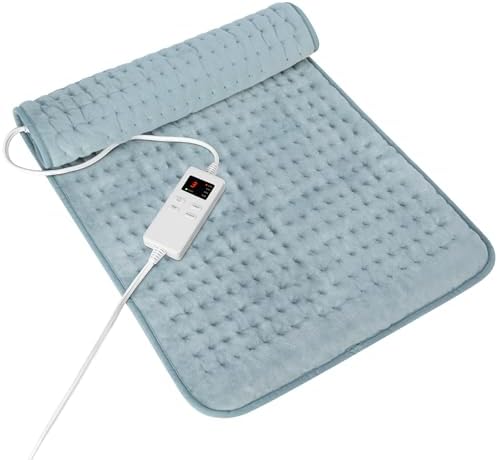
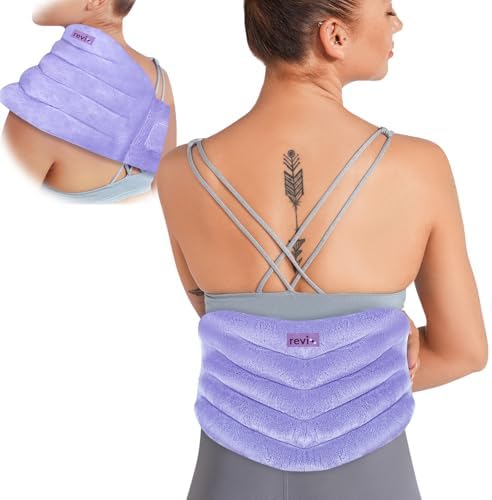
Have moments arisen when accessibility of such items feels surprisingly convenient? Options appear almost everywhere now, and simplicity allows use at home, within an office, or even during travel. Need something steady with adjustable intensity? Electric versions provide customizable levels, offering a setting that feels comfortable in each moment. Prefer a quick, portable choice instead? Microwave-ready designs filled with grains or gels warm rapidly and slide easily into daily rhythm. Reassuring, isn’t it, having options that adapt naturally to lifestyle rather than requiring lifestyle to shift around them?
This variety allows individuals to customize intensity and duration based on personal preference. Portable designs help maintain routines even during busy schedules.
Ease of use encourages consistency, which may enhance perceived benefits over time.
Proper Usage Guidelines
Looking for greater ease with fewer unwanted effects? Proper use makes all difference. Start with a simple step—place a cloth barrier between heat source and skin, because that thin layer truly matters. Feeling tempted to begin with high intensity? No need for that. Begin at lowest setting and allow tissues time to adjust naturally. If additional warmth seems necessary, raise intensity slowly, one small step at a time. Why rush when gradual changes often bring steadier, more comfortable results? With patience and mindful use, each session can unfold in a calmer, more reassuring way from beginning to end.
Sessions typically last 15–30 minutes unless manufacturer instructions indicate otherwise. Allow skin to return to normal between uses. Avoid placing pads on areas with numbness, broken skin, or reduced sensation.
Avoid leaving it on overnight unless built-in safety features are included.
Safety Considerations and Precautions
Does this approach work in many situations? Yes, it often does. Yet does that guarantee a fit for every scenario? Not quite. When nerve sensitivity, circulation concerns, or delicate skin enter picture, extra caution becomes important. Could a brief conversation with a qualified professional bring clarity? Absolutely. Guidance beforehand may ensure a choice that feels appropriate while reducing risk of unwanted reactions. When a moment is taken to stay informed and check in with expert advice, protection remains in place while still allowing exploration of options that may bring comfort. Isn’t that thoughtful balance worth it?
This method should not be used on areas with active inflammation, infection, or unexplained pain. Sudden or intense abdominal pain may signal serious conditions requiring immediate attention.
During pregnancy, they should avoid placing it directly over belly without guidance from a qualified professional.

Choosing a Suitable Pad
Curious which option suits pronoun best? Choice often depends on personal preference and intended use. Seeking steady, adjustable warmth that remains consistent? Electric versions offer reliable control, allowing intensity to be fine-tuned for greater ease. Prefer something simple and portable that moves easily through daily routine? Microwave-based options warm quickly and travel smoothly from room to room. When selection aligns with lifestyle and daily habits, results tend to feel more steady and reassuring. Empowering, isn’t it, choosing an option that truly fits individual rhythm and comfort?
Look for features such as automatic shut-off, adjustable levels, and washable covers. Proper sizing matters; coverage should be sufficient without overlapping excessively.
Quality materials and safety certifications add confidence during regular use.
Adding This Method Into Daily Routines
Looking for results that truly last? Lasting ease often grows when gentle warmth pairs with steady daily habits. Drinking enough water? Good hydration keeps tissues responsive and balanced. Adding a bit of movement each day? Light activity encourages flexibility and freer motion. Creating moments that quiet stress? Even brief pauses of calm can loosen built-up tension. And rest—getting enough each night? Sufficient sleep allows muscles to reset and recover. When warmth blends with habits like these, comfort often feels deeper and more consistent. Powerful realization, right—that simple routines practiced regularly can elevate overall ease in meaningful ways?
Using this approach mindfully rather than excessively helps maintain effectiveness. Paying attention to personal responses allows adjustments that suit individual needs.
Consistency combined with moderation delivers best outcomes over time.
When Use Should Be Avoided
Could moments arise when this method simply isn’t right for pronoun? Yes, recognizing such times truly matters. Severe abdominal pain, suspected internal bleeding, fever, or recent surgery signal a clear reason to pause. Might warmth seem comforting during situations like that? Possibly—but it may also mask symptoms requiring prompt medical attention. Would a quick conversation with a qualified professional bring clarity first? Absolutely. Approval beforehand ensures wiser decisions before moving forward. When sensations feel intense, unusual, or alarming, trusting instinct and seeking proper guidance becomes a protective step. Safety always deserves that extra moment of caution, doesn’t it?
If uneasy feelings intensify or skin irritation appears, stop right away. Paying attention to physical signals remains essential.
Persistent or unexplained symptoms should always be evaluated by a medical professional.
Conclusion
Wish for something simple that brings real comfort without adding complexity to a daily routine? Gentle warmth placed across abdominal areas may offer several ease-focused benefits—soothing monthly tension, calming internal unease, softening physical tightness, and easing strain linked with stress. Could one mild method truly address so many common discomforts? For many individuals, yes. Straightforward use, wide availability, and a non-medication nature make this option appealing for anyone preferring softer, more natural choices. When relief feels uncomplicated and close at hand, choosing comfort becomes far easier. Reassuring thought, isn’t it, that one simple step can invite calm and ease into everyday moments?
Understanding how it works, following safe practices, and recognizing limitations are essential for maximizing benefits. While this approach can offer soothing relief for everyday situations, thoughtful and responsible use remains important.
When added into balanced routines and tailored to personal needs, it can become a valuable option for improving daily ease.
FAQs
Can a pad be placed on stomach for daily discomfort?
Can such an option work for everyday unease like tension, light tightening, or gut-related upset? Yes, it often can, which explains why many reach for it when discomfort appears unexpectedly. Looking for something simple and non-drug that can be repeated when needed? This choice slips easily into daily rhythm without feeling complicated or overwhelming. Do long sessions become necessary to notice a difference? Not usually. Short periods at moderate intensity frequently feel more comfortable while still bringing satisfying results. Yet does every individual respond in exactly same way? No, and that point matters. Paying attention to personal reactions allows gentle adjustments over time, guiding each use toward what feels most suitable. Empowering realization, isn’t it, having an option that can be shaped around individual comfort and preference?
How long should each session last?
Most sessions work best when limited to about 15–30 minutes at a time. This duration allows muscles to relax without overstimulating skin. Allowing a break between sessions helps skin return to normal. Longer or continuous use is not recommended unless a product is specifically designed for extended application.
Is this method suitable during monthly cycles?
Do monthly days sometimes bring cramping and tightness across lower abdomen? Many experience that familiar pull during a cycle, and a gentle warming approach often becomes a trusted choice during those moments. Could something so simple really stand alongside pills for mild or moderate discomfort? Many find that answer is yes. Soft warmth may encourage muscle relaxation and invite a calmer sensation that feels natural and easy to repeat when needed. Yet does application style matter? Absolutely. Keep placement light and indirect, always adding a fabric layer between warmth and skin. When awareness stays present and personal response guides each step, comfort often appears sooner than expected. Isn’t it reassuring knowing a simple approach can bring such steady ease?
Can it help with digestive tightness or bloating?
Yes, it may assist when bloating or gas creates pressure around midsection. It can encourage tissues to loosen and reduce feelings of tightness. Pairing it with hydration, light activity, plus slow breathing often improves overall ease during gut upset.
When should this method be avoided?
Avoid it if pain feels sudden, severe, or unexplained. Ongoing unease, skin irritation, numbness, fever, or recent surgery also signal stopping right away and seeking professional guidance. If uneasy feelings intensify rather than ease, stopping remains wise until proper assessment occurs.






Great post! 😊
Quick question—does using a heating pad on stomach work better before bed, or can it also be used during daytime for cramps or discomfort?
This article provides great value for readers who are serious about improving their health. I liked the balanced approach and the reminder that weight loss takes time. Posts like this help people stay patient and focused on long-term results.
Excellent post! The information you shared is practical and easy to apply in daily life. I appreciate the positive tone and the emphasis on healthy habits instead of extreme methods. Looking forward to reading more of your content.
Great article! I appreciate how you addressed common weight loss mistakes and explained how to avoid them. Many people struggle because of misinformation, and posts like this help clear things up. The tone is encouraging and informative, which makes it enjoyable to read.
Thanks for sharing this helpful content. The focus on healthy habits instead of short-term results is something more blogs should talk about. Weight loss can be overwhelming, but your approach makes it feel achievable and less intimidating for readers.
Thank you for this well-written post. The way you explained the importance of lifestyle changes rather than temporary fixes really stood out. Content like this can help people avoid common mistakes and stay committed to their goals.
This was a very informative and easy-to-read post. I liked how you explained that everyone’s weight loss journey is different and that there’s no one-size-fits-all solution. That’s an important message that many people need to hear.